When choosing an operating system for a server, most experienced administrators and business owners turn to Linux distributions. The reasons are clear: high stability, open-source code, customization flexibility, and scalability. Linux allows full control over the server environment, system configuration without unnecessary software, and uninterrupted service operation. But which distribution is best suited for your project?
When choosing a VPS server, it’s not just about price or the amount of RAM and CPU. One of the most important — and often overlooked — factors is the type of virtualization.
In this article, we’ll explain what KVM virtualization is, how it compares to other virtualization technologies, and why it’s the best choice if you’re looking to get the most out of your VPS.
In today’s internet, website loading speed is not just a convenience for users but a critical factor in Google rankings, conversions, sales, and the overall perception of your business. Most visitors leave a website if a page doesn’t load within 3 seconds. So how do you make your website as fast as possible?
In today’s digital world, online security is a top priority for any website owner. One of the most important tools that guarantees the protection of user data and safe operation of a website is an SSL certificate. In this article, we will explain in detail what SSL is, how it works, the types of certificates, why it matters for SEO and business, how to check for SSL on a site, and where to order a reliable SSL certificate and server.
Today, online security is one of the key factors for users’ trust in a website. Having an SSL certificate not only protects data from interception but also positively affects a site’s ranking in search engines. Whether you are a website owner, administrator, or just want to ensure a site is secure, it’s important to know how to quickly check if SSL is installed.
Using a Remote Desktop (RDP) is one of the most convenient ways to manage a Windows-based server. This solution is especially useful for those who want full control over the server without relying on terminal commands or complex interfaces. In this article, we’ll explain how to connect to a Windows VPS remote desktop, what settings to configure, and what to consider for secure access.
Linux VPS is considered a safer alternative to Windows servers, but that doesn’t mean the risk of malware infection is zero. Even the most secure systems can be vulnerable if not monitored regularly or if unreliable software is used.
In this article, we’ll explain how to check your Linux VPS for viruses, which tools are best suited for the job, and what to do to avoid future infections. We’ll also share practical tips to help keep your server secure in the long run.
In 2025, servers are the backbone of any online business. Your website, CRM system, databases, and web apps all rely on a stable infrastructure. And every growing business faces the same critical decision:
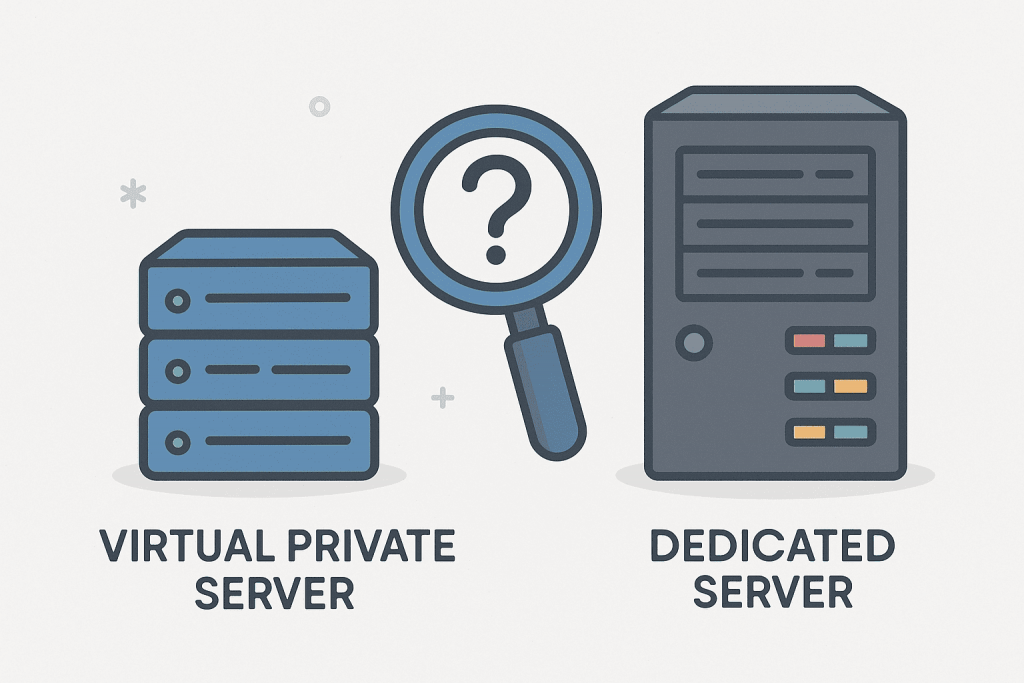
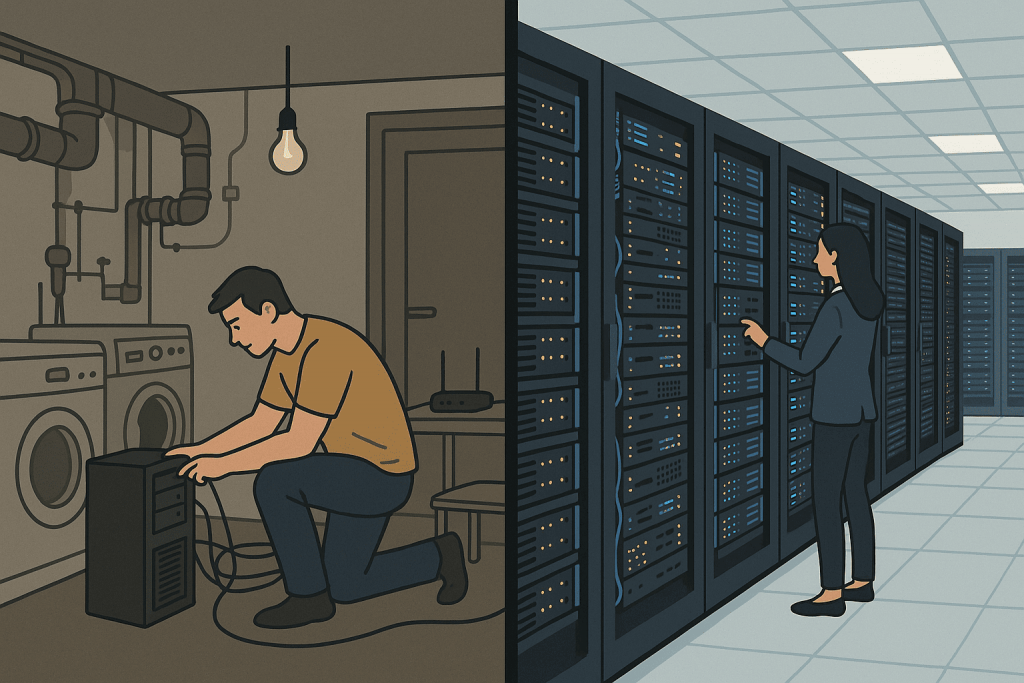
Should you rent a dedicated server or buy your own hardware?
In this article, we’ll break down both options, compare costs and risks, and help you make an informed choice.
The security of your Virtual Private Server (VPS) is not just a technical task but the foundation of business stability, client trust, and protection of confidential data. Vulnerabilities in your system can lead to file loss, personal data leaks, virus infections, or complete resource unavailability.
In this article, we have compiled a detailed checklist on how to check your VPS for vulnerabilities and protect it at both basic and advanced levels — even if you are not a cybersecurity expert.
Accounting software is the heart of financial operations in any company. From payroll to tax reports, everything depends on the stable and secure performance of platforms like 1C, BAS, or M.E.Doc. As businesses shift to remote and hybrid work models, the demand for a reliable server for accounting tasks becomes essential.