Month: May 2026

How Modern Artificial Intelligence Appeared

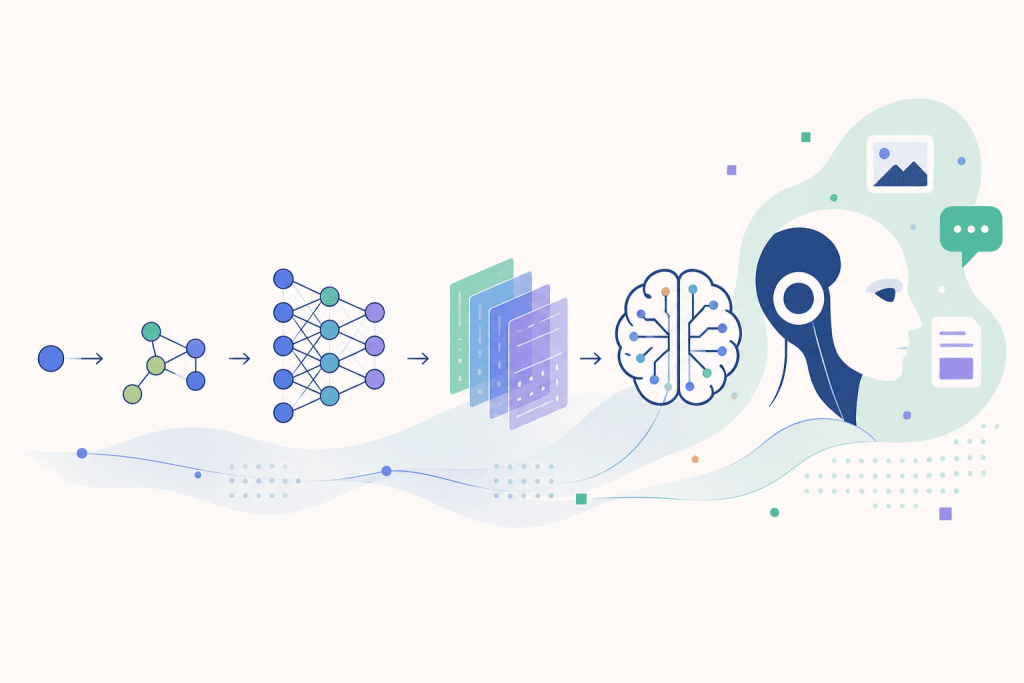
The visual evolution of artificial intelligence: from simple connections and neural networks to complex models and a digital assistant.
The evolution of ideas that led to modern artificial intelligence

Not so long ago, computers were completely blind. For a machine, any digital image was not a cat, a car, or a human face, but simply an endless table of pixel numbers. Teaching hardware to “see” the real world was considered an almost impossible task. The objects around us constantly change angle, lighting, scale, hide in shadows, or overlap with other things. The ordinary datasets of a few thousand photographs that scientists had were catastrophically insufficient to explain all this visual variety to a machine.


Why Linux VPS Owners Should Pay Attention to Copy Fail

A Linux penguin sits next to a server with red lights and a warning sign above it.
Copy Fail as an excuse to check Linux VPS security

In late April 2026, the Linux community caught wind of a new vulnerability dubbed Copy Fail (CVE-2026-31431). It’s a bug in the algif_aead kernel module that opens the door to local privilege escalation. To put it brutally simple: if your server is already running some shady third-party code or a web app gets breached, the attacker essentially gets a straight shot to root access.

Internet Day and the Technologies That Keep the Digital World Running

People use a laptop, smartphone and tablet against the background of a global network, satellite, Wi-Fi and communication tower.
May 17 – World Internet Day and World Telecommunication and Information Society Day

We’ve gotten used to treating the network like air – it’s simply there. It’s hard to remember the moment when someone consciously notices connecting to Wi-Fi or 4G; we just open banking apps, build a route in navigation, or throw files into the “cloud.” As long as pages load in fractions of a second and videos don’t freeze, the technical side of the process stays invisible. Yet behind every click stands a massive hardware infrastructure that never sleeps.

How the world changed after the rapid development of artificial intelligence

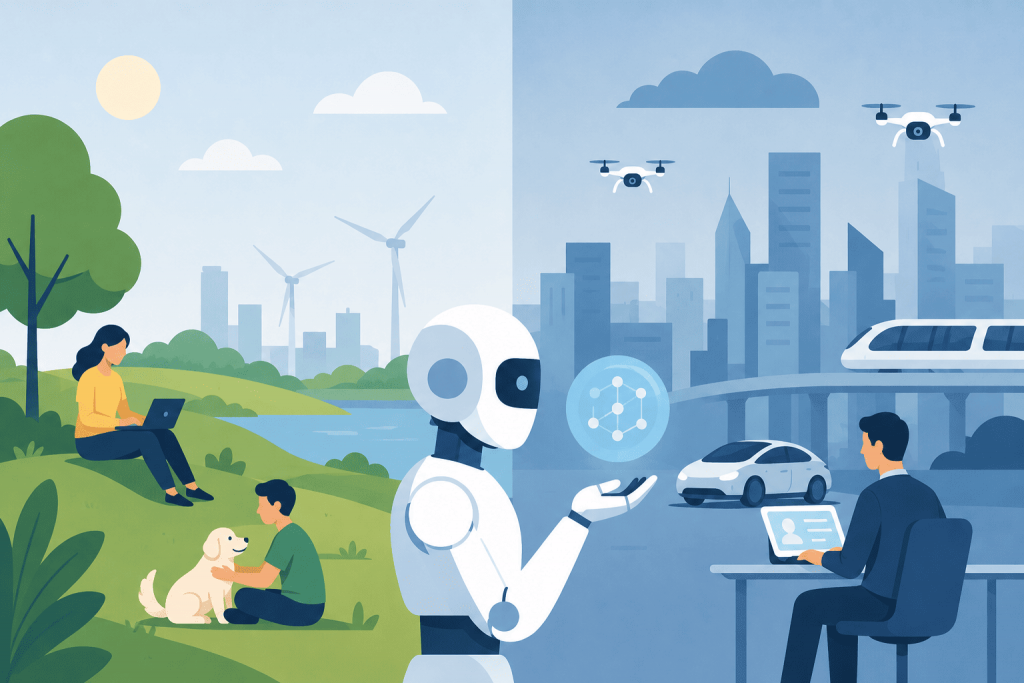
An artificial intelligence robot between the natural environment and the technological city of the future, where people, drones and autonomous transport work.
Artificial intelligence is changing everyday life and modern infrastructure

We didn’t even notice how artificial intelligence stopped being some futuristic toy. Now it’s just part of the software we use every day. When your email suggests how to finish a sentence for you or a service automatically removes noise from a voice recording, you are already inside an ecosystem of algorithms. It’s convenient. Many websites now generate product descriptions or news faster than a person can even open the page, and that frees up a huge amount of time for tasks that actually matter. AI has affected everything: from the way we search for information to the stock value of industry giants. This is no longer about chatbots, but about a new logic of how the digital world works, where routine gradually disappears.

Which old password creation rules no longer work

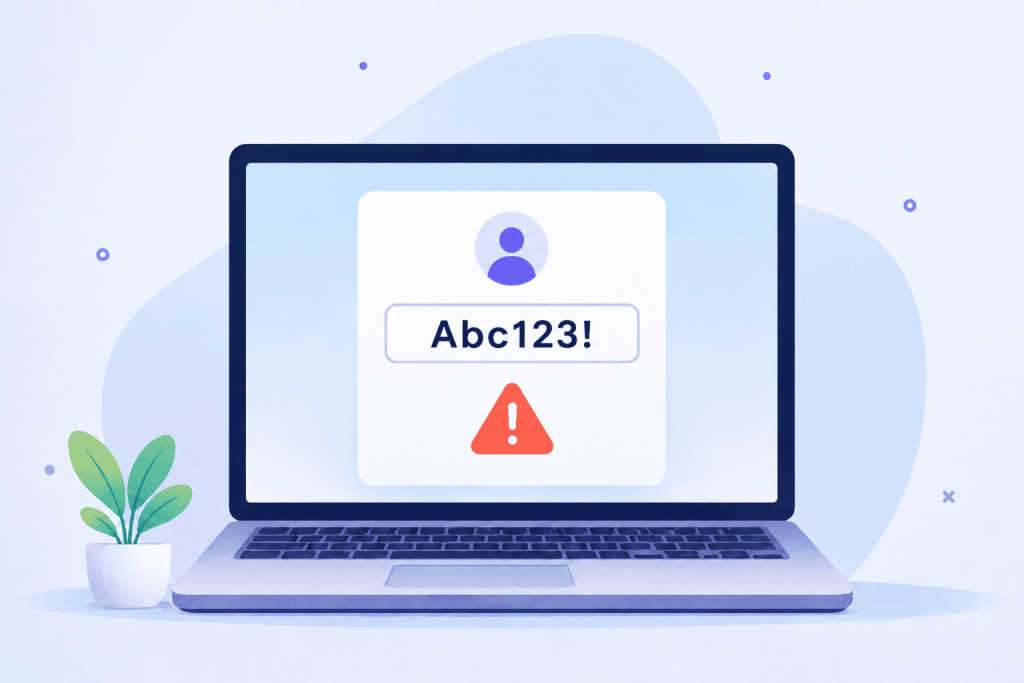
The laptop screen shows an example of a weak password Abc123! and a danger warning sign.
Account security starts with the right approach to passwords

Passwords are often perceived as a formality: added a digit, put an exclamation mark – and the job is done. But this approach is based on rules from ten years ago, when there were far fewer services, and computing power for attacks was much more modest. Today each of us has dozens of accounts: from email and banks to work panels for domain management or cloud storage. A weak or repeated password in such an ecosystem creates a domino effect: once one site is hacked, everything is put at risk.

What Modern AI Does Better Compared to Previous Models

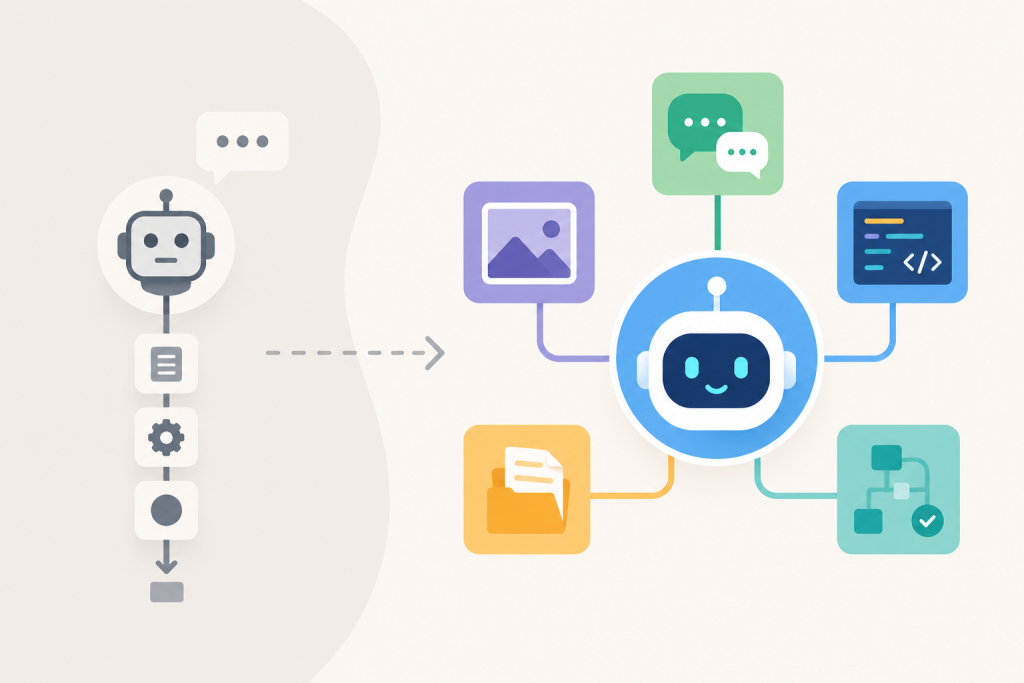
A diagram of the development of artificial intelligence capabilities from basic functions to working with text, images, code, and automation.
What used to require more effort

Not so long ago, interacting with artificial intelligence felt like talking to a very diligent but inattentive assistant. Models handled short explanations or the translation of individual sentences fairly well, but they “fell apart” over longer distances. As soon as you added several extra conditions to a request or stretched out the dialogue, the logic got lost, and details were forgotten. The user had to spend more time editing the result than formulating the task itself.

-->