A typical break-in usually needs some kind of entry ticket – a weak password, a stolen token, or remnants of an old admin panel. But what happens when all it takes to gain access is an ordinary, seemingly legitimate request to a website that makes PHP execute someone else’s code?
Multi-layered protection helps limit unauthorized access to network infrastructure
The server is running fine. The cameras are streaming video, nobody has complained about the network, and the equipment hasn’t needed much attention lately. Why change anything?
Prolonged work in front of a screen exhausts not only the eyes but the entire body
That familiar feeling when the workday seems to be over, but your head feels heavy, your eyes burn, and even after a normal night’s sleep there is still no energy? Physically, it seems like you have not really been working – the whole day was spent in a comfortable chair in front of a monitor, yet by evening you feel completely drained. Most people put it down to overwork or a lack of vitamins, but the real reason lies in how our body reacts to sitting in front of a screen every day.
The right start for an online store depends on your goals, budget, and development plans
There is no single way to launch an online store. Sometimes a few hours really are enough: put a page together in a builder, add twenty or thirty products, connect card payments and start selling. In other cases, that setup is far too limited. You may want your own server, your own domain and access to the code so you can change whatever needs changing. So choosing a platform is less about checking rankings and more about answering two basic questions. How much technical freedom do you actually need? And how much time or money are you prepared to spend keeping the site running?
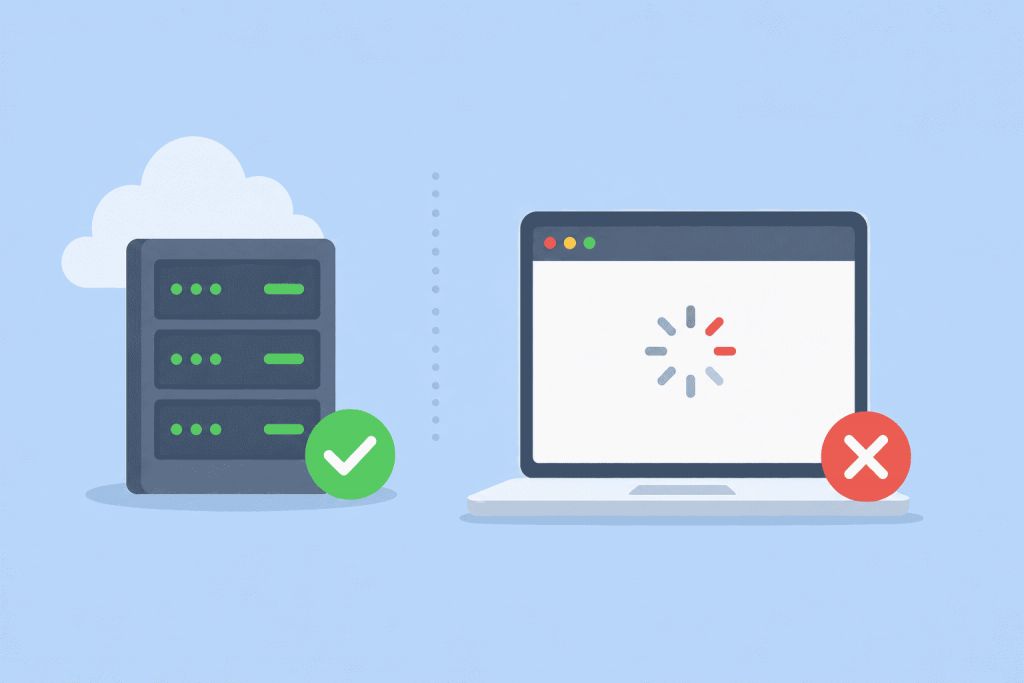
Not every website slowdown starts on the server side
The website has become slow, so the server is the first suspect. Adding CPU cores or RAM, or moving to a more expensive VPS, seems like an obvious solution. Sometimes the configuration is upgraded, though, and the pages still take just as long to load.
Most people want to get rid of a cookie banner as fast as possible. “Accept all” is usually the largest button on the screen, while the alternatives sit behind something like “Manage settings.” So people click the obvious option without really checking what it covers.
There are several tabs open in the browser, a “read later” folder in Telegram, saved posts piling up on social media, and screenshots in the gallery whose meaning is already hard to remember. Each of these things once seemed useful. An article might have come in handy for work, a video looked worth watching in the evening, and a list of services felt too valuable to lose. A few weeks pass, and no one returns to most of them. Still, we keep saving more.
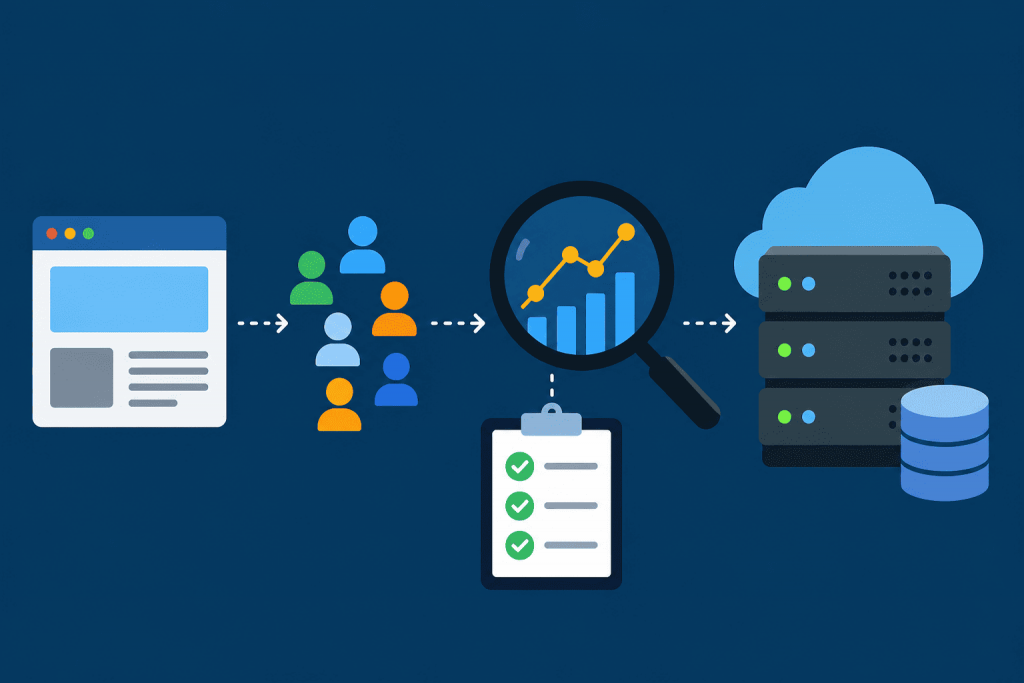
The stability of the site depends on how accurately the infrastructure is selected
Sometimes a small website runs normally on a basic VPS for years. Another project starts slowing down almost immediately, even though it still has relatively few visitors. The difference is usually not only in traffic. One website simply displays ready-made pages, while another constantly queries the database, updates the catalogue, performs searches, runs imports or processes files in the background. That is why choosing a VPS based only on the number of visits is not quite right. First, it is worth understanding what exactly will be running on the server and which operations will create the main load.
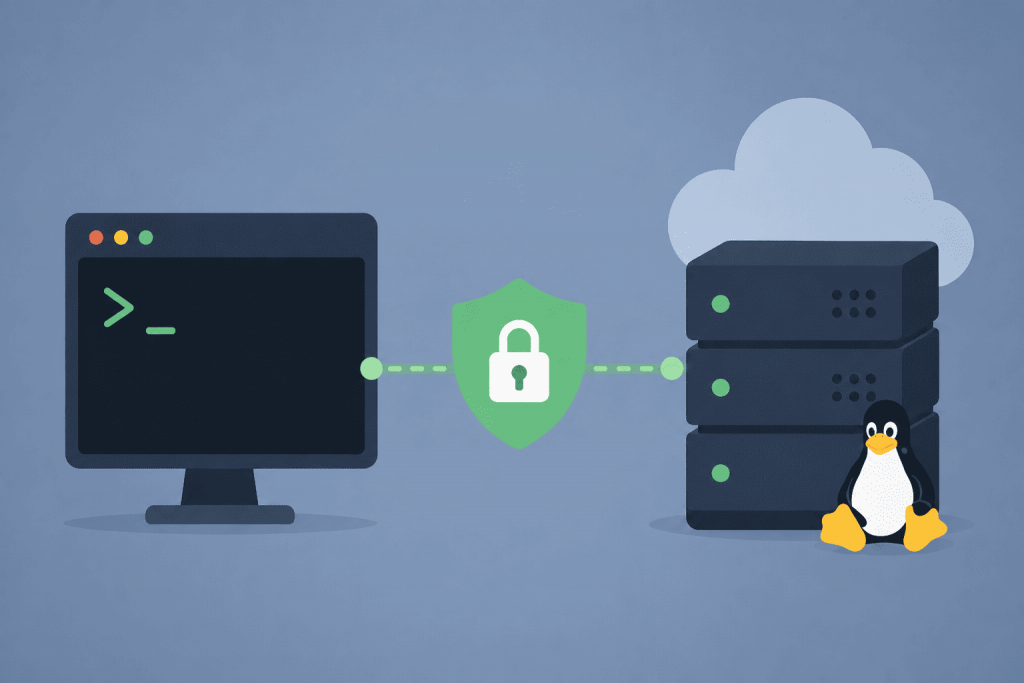
Secure SSH starts with proper server access settings
As soon as a Linux VPS is set up, you receive an IP address and the credentials for the first login. The server is already online at this point. It may take automated scanners only a few minutes to find it, check the default port, try a set of common usernames and start guessing passwords.
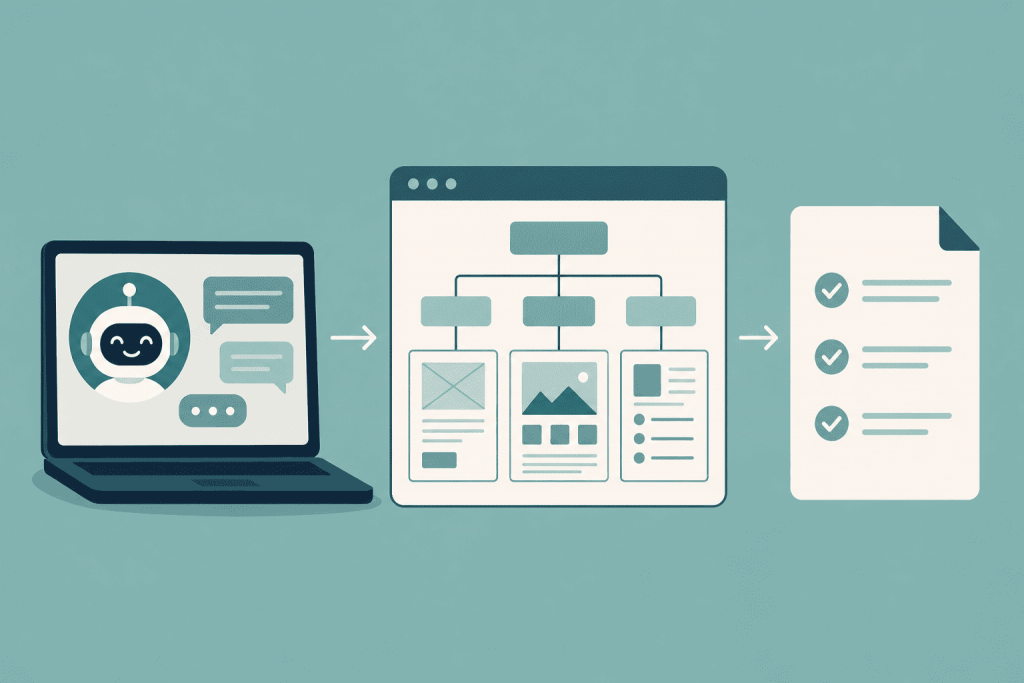
Preparing the TOR begins with understanding the future site
When a new website idea comes up and finding a contractor is urgent, spending weeks on design and gathering requirements feels like unnecessary bureaucracy. The easiest way is to open ChatGPT, throw in a couple of paragraphs, and ask it to “write a PRD/spec.” Within a few minutes, a neat document appears with structure, roles, and integrations, looking entirely solid. However, a pretty wrapper does not guarantee that the developers will understand the task without distortions, as AI only structures known templates but cannot test real business logic for resilience.