Category: Colocation

How Data Center Modernization Helps Cities Reduce Energy Costs

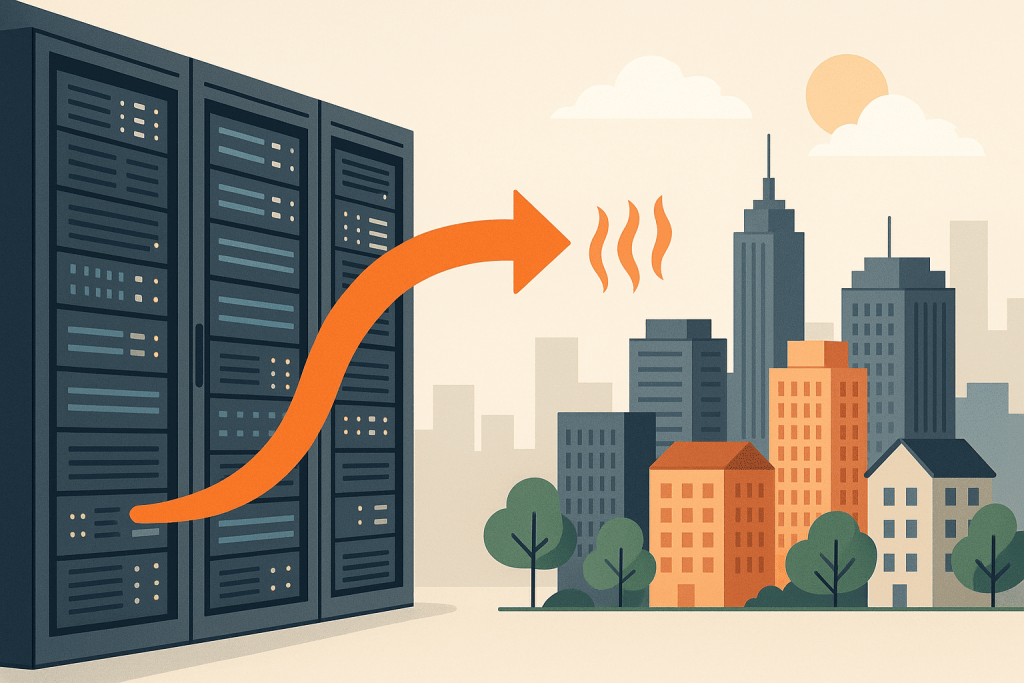
Server racks with an arrow pointing towards the city, symbolizing the transfer of heat from the data center to the buildings.
Heat from data centers is transformed into a resource for urban infrastructure

Modern data centers have become the foundation of the digital economy: they power cloud services, online platforms, artificial intelligence, and thousands of business processes. But with this growth comes another challenge — energy consumption. Servers generate large amounts of heat that must be constantly removed to prevent overheating. Usually, this heat is simply wasted, while additional megawatts of electricity are consumed to cool the equipment. However, new approaches to data center modernization show that this “waste heat” can become a valuable resource for cities.

Why Governments Started Investing Trillions in AI Infrastructure

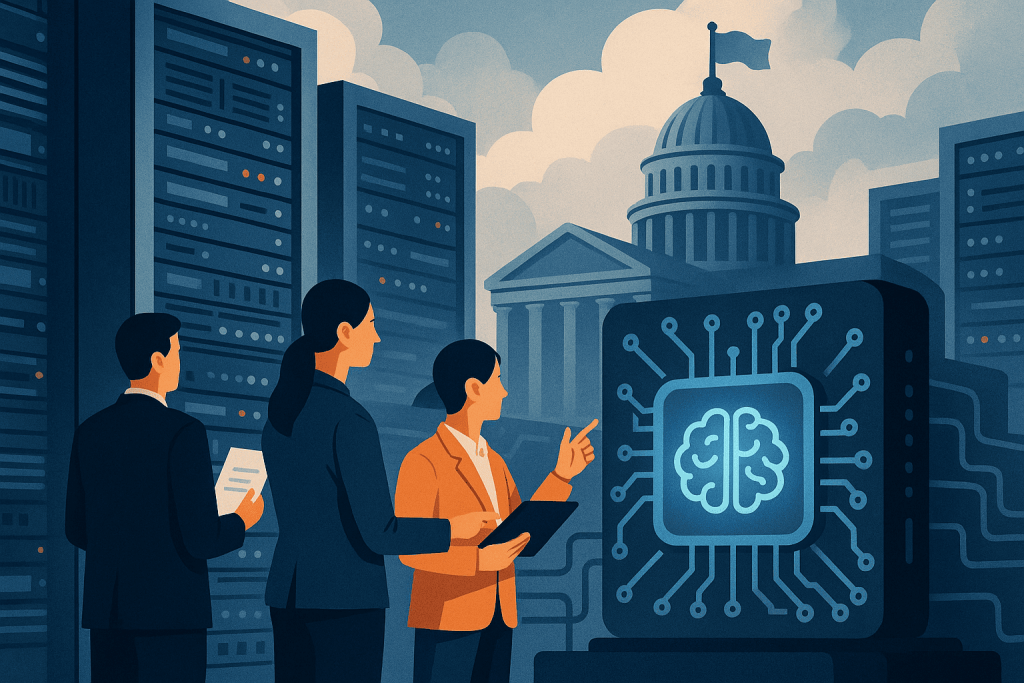
A group of people in business attire are discussing a large AI processor against the backdrop of data centers and a government building with a dome.
The state as a key investor in strategic AI infrastructure

Artificial intelligence has ceased to be a laboratory experiment and has become the foundation of a new economy. If just a few years ago AI investments were associated mostly with private companies, today governments have actively joined the race. The USA, the EU, China, Japan, and the United Arab Emirates are competing to build the most powerful data centers, purchase thousands of GPUs, develop their own models, and even form state-level alliances with corporations. The amount of investment is no longer counted in billions — but in trillions of dollars.

How Data Centers Isolate Vibrations from Server Racks

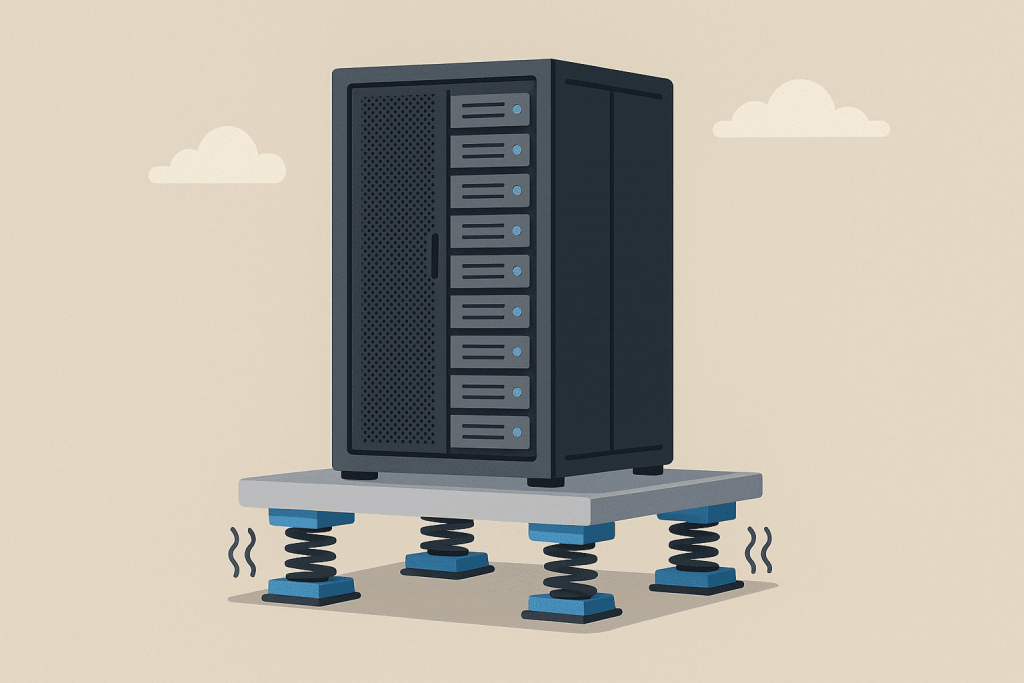
The server rack is mounted on a platform with springs that isolate vibrations.
Protecting servers from vibrations and micromovements

Modern data centers are not just rooms filled with servers. They are complex engineering systems where every detail matters — from air temperature and humidity to the slightest floor vibrations. One of the least noticeable yet critically important factors for stable server performance is vibration. It can cause microscopic failures in hard drives, accelerate component wear, and, under heavy load, even lead to hardware failure. That’s why engineers pay great attention to isolating vibrations inside data centers.

AI Accelerators as the Foundation of Modern Data Center Architecture

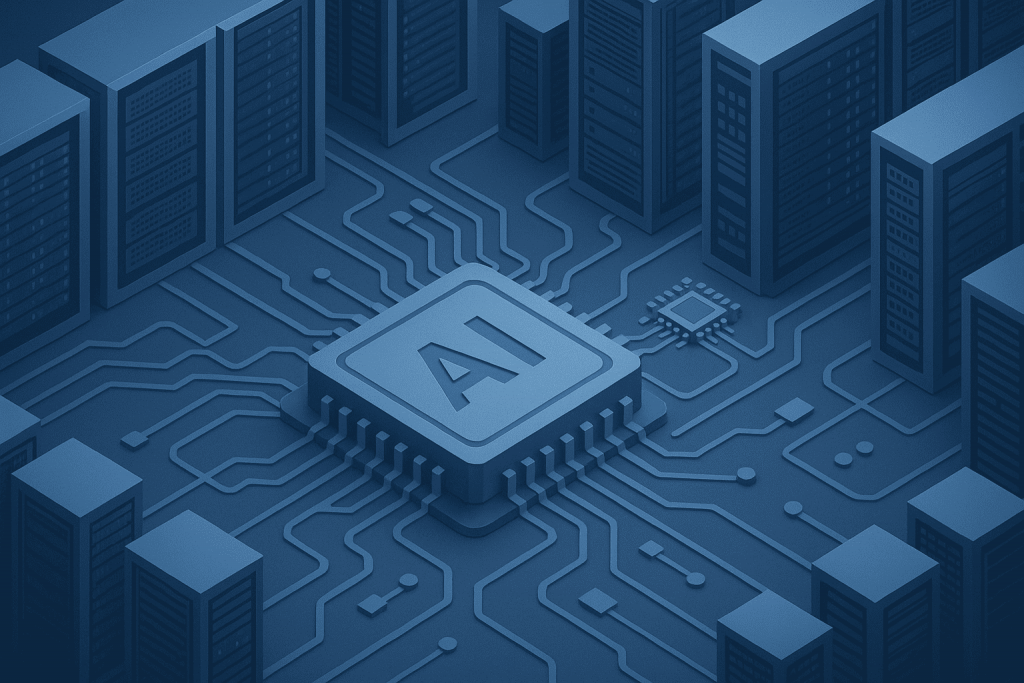
A chip with the AI ​​logo in the center of the board, surrounded by server racks, symbolizing the operation of a data center based on artificial intelligence accelerators.
AI accelerators are becoming the core of modern server infrastructure

The rapid progress of artificial intelligence has forced the data center industry to radically restructure: classical server farms must transform into AI-oriented “supercenters” with supercomputer-level power and new infrastructure requirements. At the core of these changes are specialized AI accelerators — hardware chips designed to speed up machine learning tasks, which have essentially become the foundation of modern data center architecture. Without such accelerators, breakthroughs like ChatGPT would take much more time and money — no wonder AI accelerators are now widely used by global tech giants.

How a Data Center’s Backup Power Endures Hours Without Electricity

A data center with server racks connected to a diesel generator during a power outage.
Backup power ensures continuous data center operation even during a blackout

When we open a website, place an order in an online store, or work with a corporate CRM, we rarely think about what’s happening “behind the scenes.” Yet even a few minutes of server downtime can cause serious losses — from losing customers to damaging databases. That’s why every professional data center is built on one principle: to operate continuously, no matter the circumstances.

How Ukrainian IT Companies Build Infrastructure Without Downtime

A team of specialists is working on creating IT infrastructure against the background of the Ukrainian flag.
IT infrastructure without downtime is the key to the sustainability of Ukrainian technologies

In today’s digital world, every second of downtime can cost a company thousands of dollars. This is especially true in the IT sector, where the stability of servers, network systems, and data centers determines not only a company’s reputation but also its ability to function at all. Ukrainian IT companies working in software development, fintech, telecommunications, and cloud services have been actively investing in infrastructure capable of running continuously — even amid power outages, cyberattacks, or peak loads.

What You Need to Know About Modern Cooling Systems in Data Centers

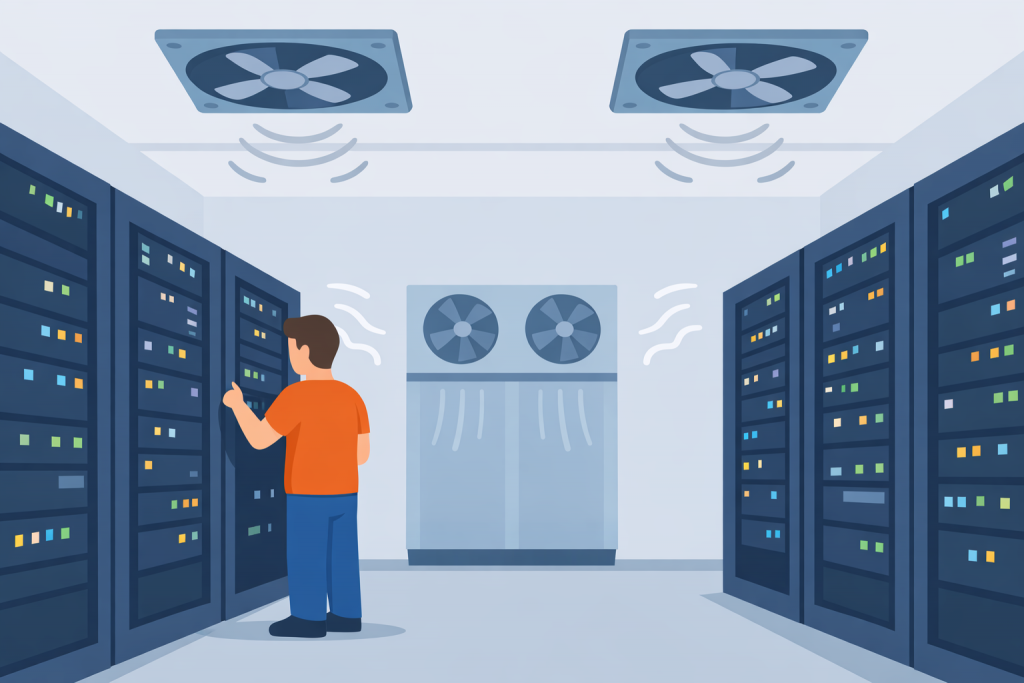
Server room with air conditioners that cool racks of equipment.
Modern cooling systems as the basis for data center stability

In today’s world, where digital technologies have become the foundation of nearly every process — from financial transactions to artificial intelligence — data centers have evolved into the heart of global infrastructure. Their stable operation directly depends on cooling efficiency. Every server, every processor in a rack generates heat, and if that heat isn’t dissipated in time, the system can lose performance or even fail. That’s why modern data centers invest heavily in intelligent cooling systems that not only reduce temperature but also optimize energy consumption and ensure stability under any conditions.

China Shows What the Data Centers of the Future Will Look Like

An underwater server room with a view of the ocean through a porthole where fish swim.
Underwater data centers are a new step in the development of energy-efficient data storage technologies

Imagine a data center not standing in an industrial zone or in the middle of a field under power lines, but resting deep beneath the ocean, cooled naturally by its currents. It sounds like something out of a sci-fi movie, yet in China this vision has already become reality. The country has launched the world’s first commercial underwater data center — a project that could redefine how we imagine the infrastructure of the digital future.

Why It’s Better to Host Your Server in a Data Center

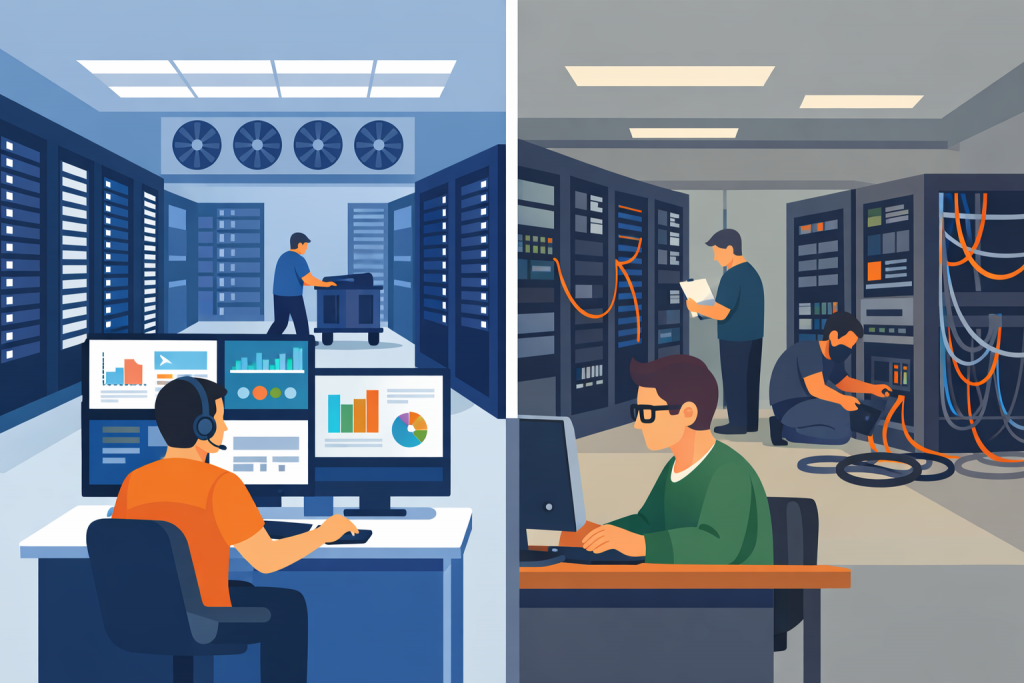
Comparison of a home server in the basement and professional equipment in a modern data center.
Advantages of colocation — stability, security, and professional server maintenance

In today’s world, where data processing speed and uninterrupted service availability define business success, the question of where to place your servers has become strategically important. On one hand, it might seem convenient to have your own server “at hand” — in your office or even at home. On the other, professional data centers offer a level of stability, security, and efficiency that’s hard to achieve on your own. That’s why more and more companies and independent developers are choosing colocation — hosting their own equipment in specialized data centers.

Colocation in Ukraine. Why Businesses Choose Data Centers

In today’s world, IT infrastructure stability and security are key factors for business success. Colocation (placing a server in a data center) is becoming an increasingly popular option for companies seeking to maximize efficiency, reduce risks, and optimize costs. This article explores why colocation in Ukraine is a smart business solution.

-->