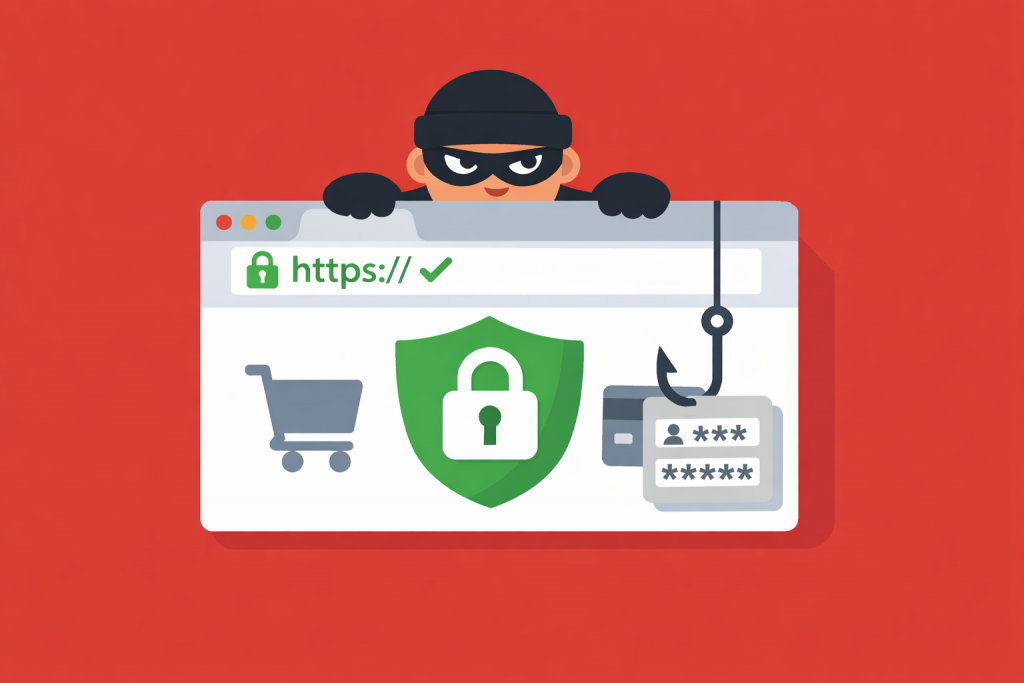
The presence of HTTPS does not guarantee the integrity of the site
The padlock icon in the browser’s address bar has long been seen as the main marker of safety. Users got used to a simple rule: if there is HTTPS – there is trust. However, today this symbol has become a mandatory standard even for phishing pages, and the presence of an SSL certificate no longer guarantees that you are on a legitimate resource.
The emergence of Let’s Encrypt became one of the most important milestones in the history of internet security. Until 2015, obtaining an SSL or TLS certificate was a complex, expensive, and time-consuming process. Many website owners postponed switching to HTTPS because they had to navigate bureaucratic procedures, wait for certificate approval, and manually configure their servers. This created a paradox: the technology for protecting data existed, but access to it remained limited. Let’s Encrypt made security widespread, affordable, and automated — transforming not only the approach to encryption but also the architecture of the internet as a whole.
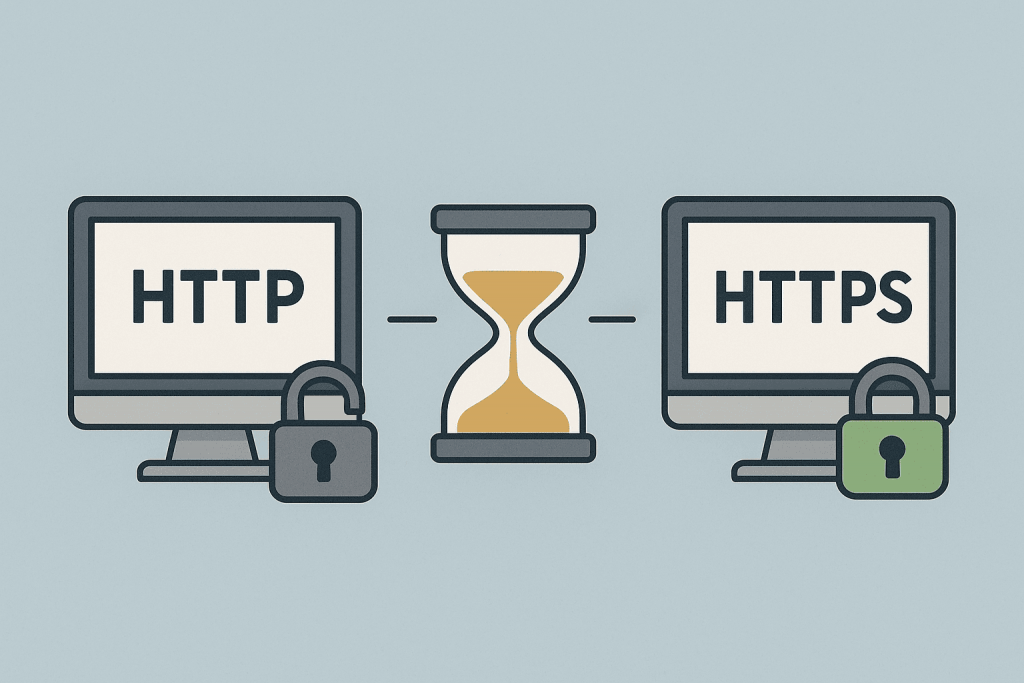
The long journey from unencrypted connections to complete web traffic security
The transition of the internet from HTTP to HTTPS seems like an obvious step today, when secure connections have become the standard. However, this process stretched out for nearly two decades. Although HTTPS has existed since the late 1990s, its widespread adoption began only after 2015. The reasons for this delay lie in technical limitations, low availability of certificates, reluctance of website owners to change infrastructure, and even psychological factors. To understand why the entire world took so long to switch to a secure protocol, it’s important to look at the history, technologies, and context of internet development.
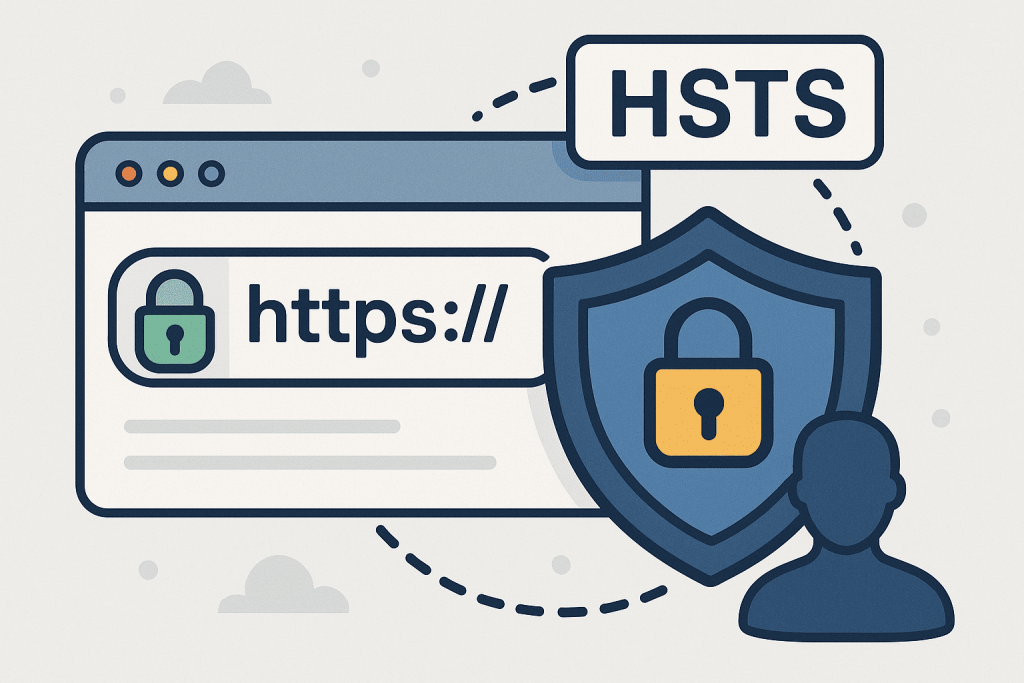
HSTS is a technology that guarantees a secure connection and protects users from fake sites
In today’s world, where online security is as essential as a lock on your front door, the HSTS protocol works quietly yet effectively. Every day, millions of people open websites, enter passwords, make purchases, or conduct online banking — often unaware that a hacker could intercept their connection. While an SSL certificate encrypts communication, HSTS ensures that users never connect to a site without HTTPS. It’s as if the browser receives a strict order: “Use HTTPS only — no exceptions.”
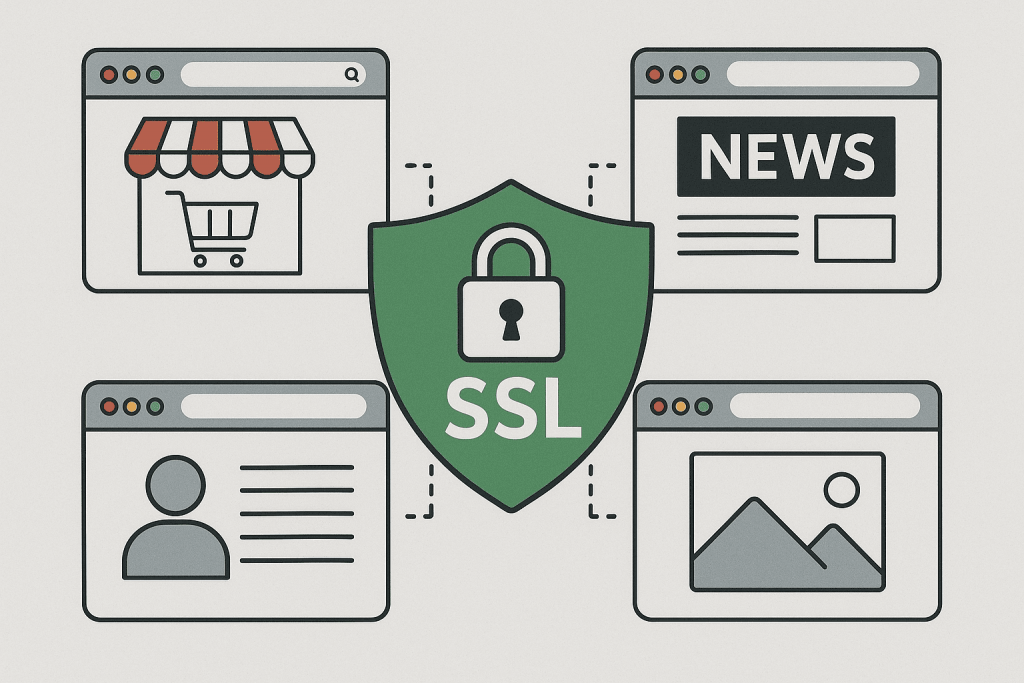
An SSL certificate is a sign of security, trust, and a professional approach to a website.
Many owners of small websites — blogs, portfolios, corporate pages, or informational resources — still believe that an SSL certificate is necessary only for sites that process online payments or collect users’ confidential data. However, this is a common misconception. Today, encrypted connections are not just a technical feature of large platforms but a universal standard that determines trust, security, and even visibility in search engines. Ignoring this factor means risking your reputation, even if your site seems “simple.”