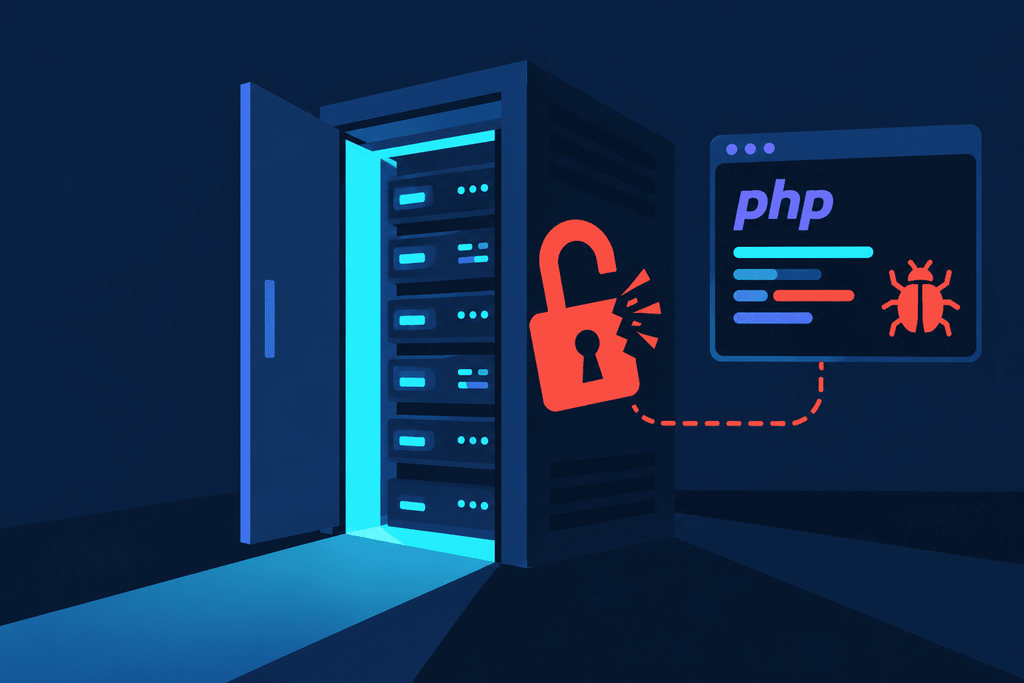
A typical break-in usually needs some kind of entry ticket – a weak password, a stolen token, or remnants of an old admin panel. But what happens when all it takes to gain access is an ordinary, seemingly legitimate request to a website that makes PHP execute someone else’s code?
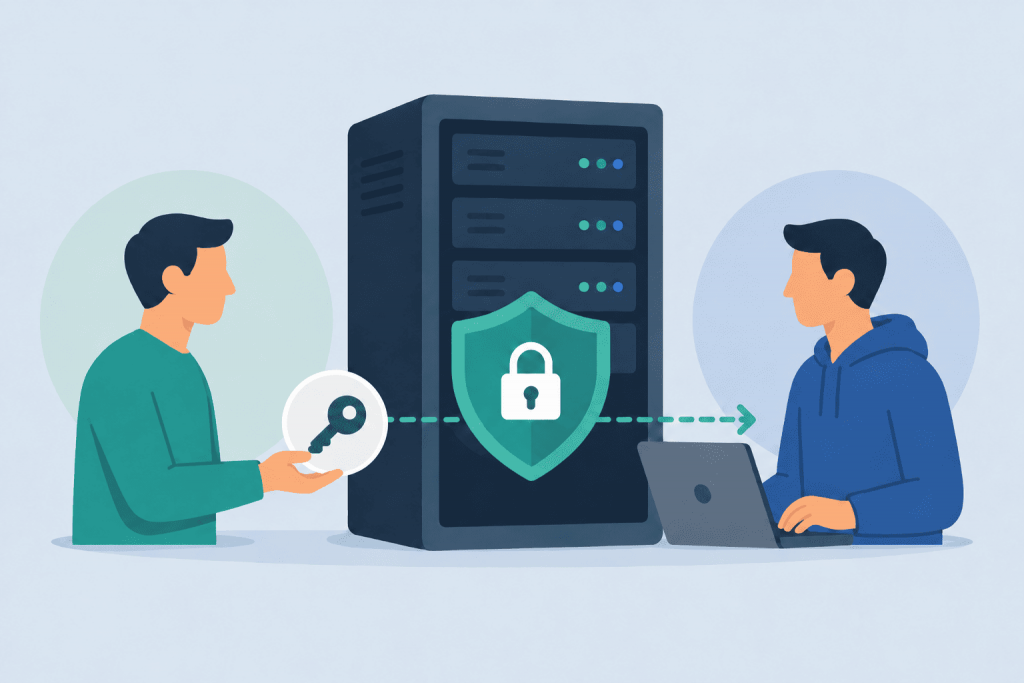
Access to the server must be transferred in a controlled manner
When a website goes down, a project needs to be moved, or some settings need to be adjusted, the first thing a developer asks for is access. And this is where it is very easy to step on the classic rake: send over the main password for everything under the slogan “here, figure it out, just do it faster.” But access to a VPS or a dedicated server is not just logging into some panel. It is a direct opportunity to rewrite files, wipe databases, break mail, or even accidentally shut down the whole project.
When server resources run out faster than you think
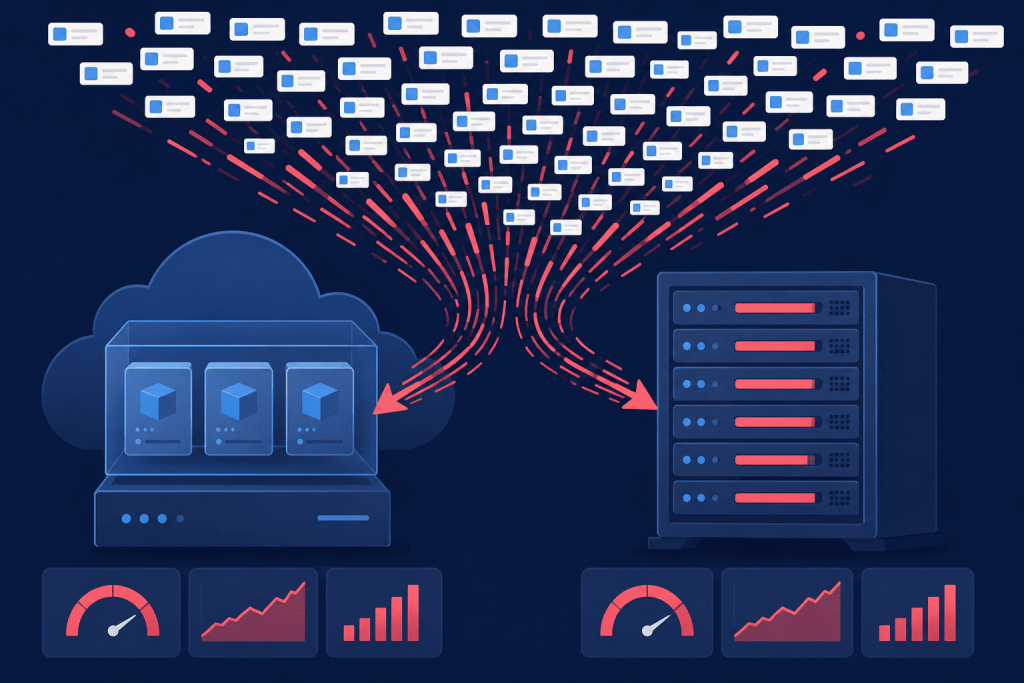
Sometimes the problem looks illogical. There is no sharp surge of visitors on the site, the traffic on the graphs does not hit the channel limit, the number of requests does not look catastrophic. But pages open slowly, some requests fail, the web server starts taking more memory, and the application responds every other time. In such cases, people often look for a heavy script, a database error, or a lack of resources on the plan. And that really does need to be checked. But there is one more scenario that is easy to miss: abnormal load through HTTP/2. In particular, an attack called HTTP/2 Bomb.
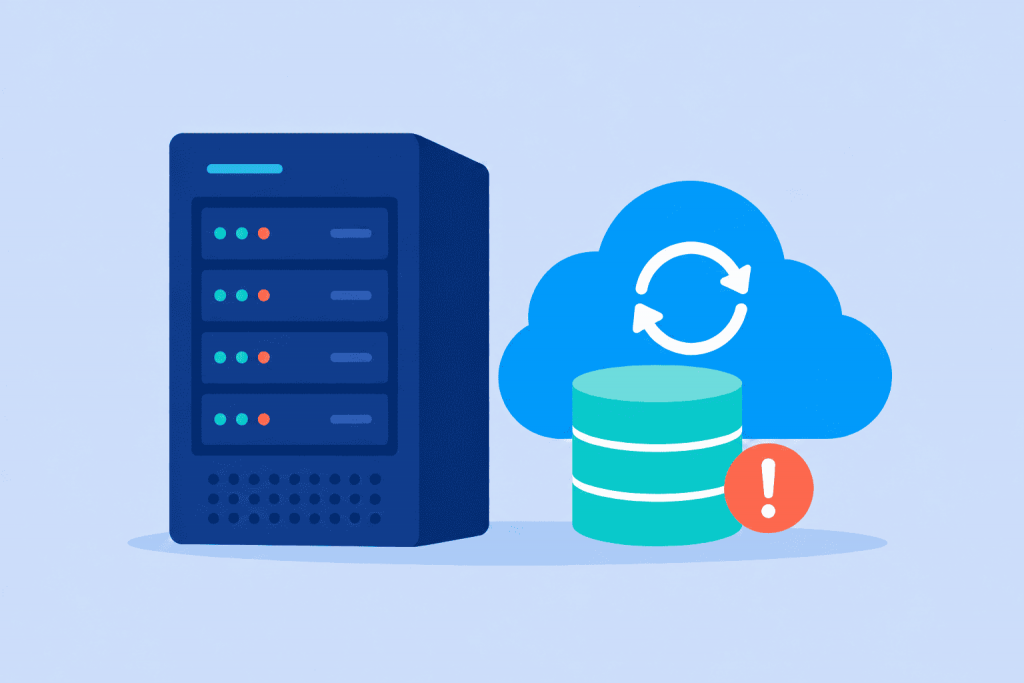
Backup is only part of the protection if recovery is not verified
On many VPS servers, backup is available as a standard feature or as an additional option in the control panel. For the owner of a website, online store, CRM or internal service, this is a genuinely important advantage. If something goes wrong, there is a way to restore data from a backup instead of rebuilding everything manually.
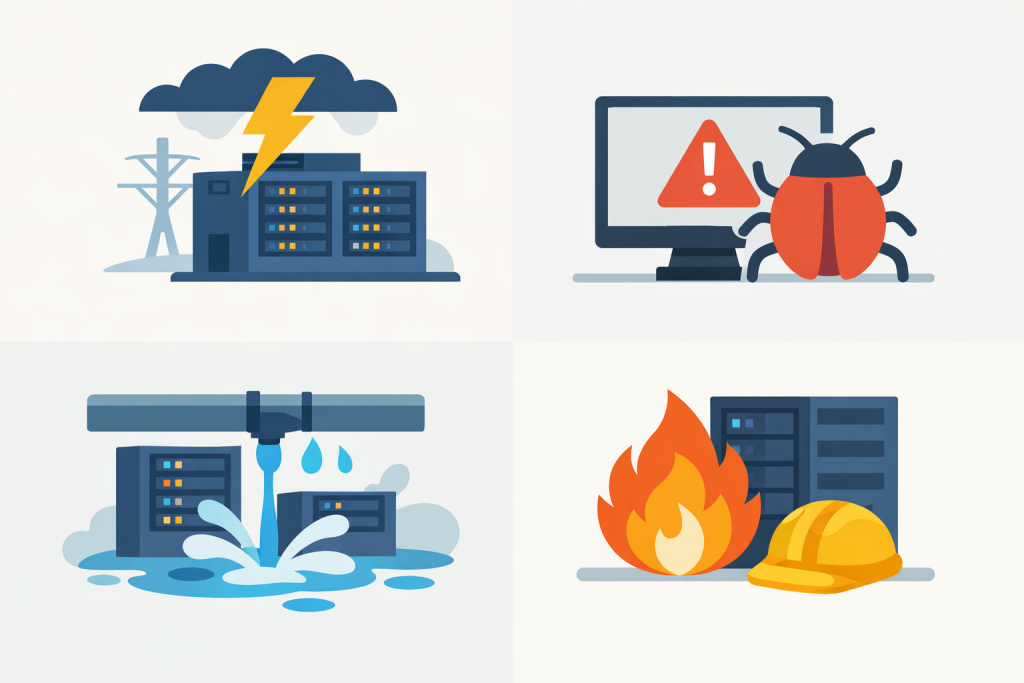
Critical factors that can lead to infrastructure downtime
From the outside, a data center (DC) looks like an unshakable fortress: autonomous power supply, sealed halls, multi-level monitoring. We are used to clouds, banking and streaming simply working 24/7. But behind this stability stands a complex engineering ecosystem where the failure of a single node can trigger a cascade reaction that automation does not always manage to intercept in time.
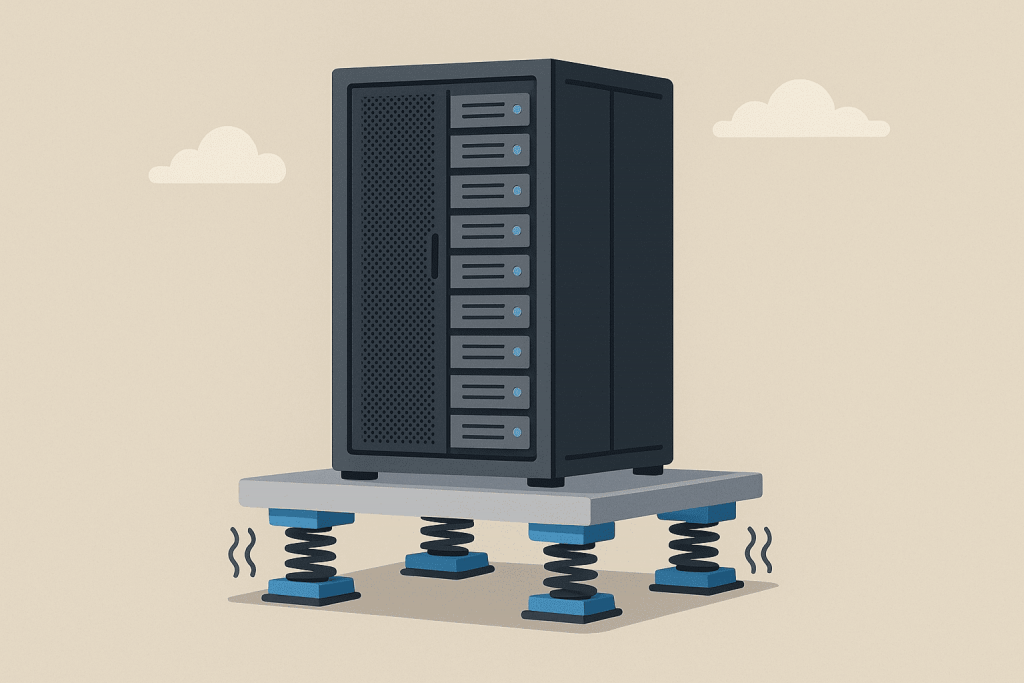
Protecting servers from vibrations and micromovements
Modern data centers are not just rooms filled with servers. They are complex engineering systems where every detail matters — from air temperature and humidity to the slightest floor vibrations. One of the least noticeable yet critically important factors for stable server performance is vibration. It can cause microscopic failures in hard drives, accelerate component wear, and, under heavy load, even lead to hardware failure. That’s why engineers pay great attention to isolating vibrations inside data centers.
In 2025, cybercriminals are increasingly using automated scanners, botnets, and zero-day vulnerabilities to attack websites. The most vulnerable are those hosted on VPS, as the responsibility for security usually falls entirely on the owner. One of the most effective ways to protect your infrastructure is by deploying a WAF (Web Application Firewall) and IDS (Intrusion Detection System). In this article, we’ll walk you through how to implement these solutions on your virtual server step by step.