
Tag: VPS security

Common VPS setup errors during the first launch phase

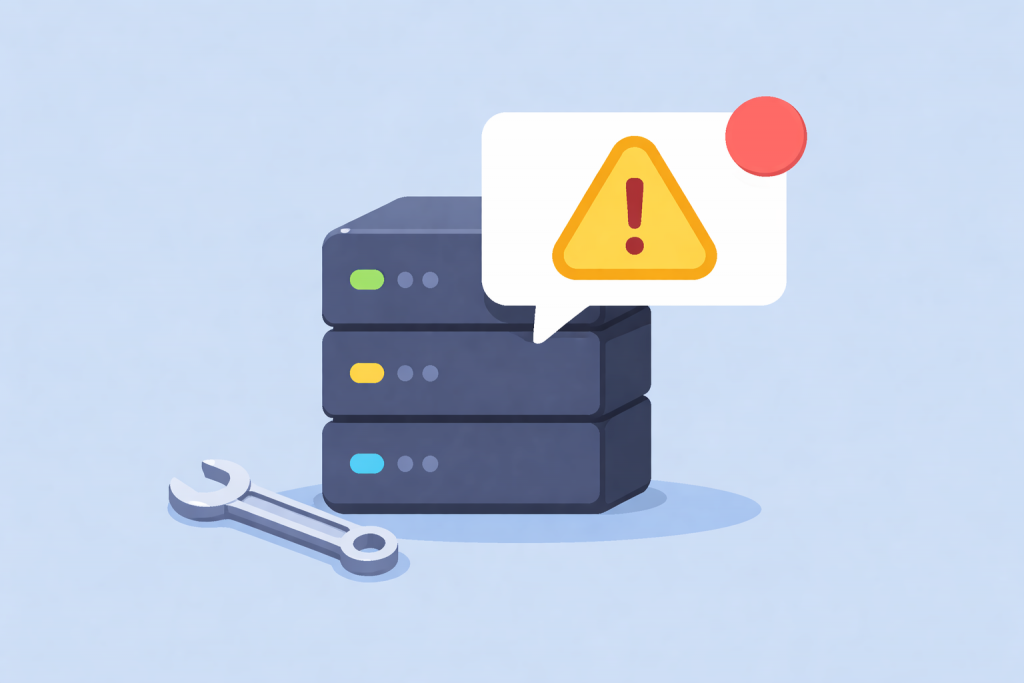
Virtual server with status indicators, warning sign and wrench next to it.
Incorrect settings at startup can lead to unstable server operation.

Moving to a VPS is often perceived as buying more powerful “hardware”, while forgetting that together with the resources comes full control over the operating system. On shared hosting, the provider is responsible for security and stability; here you remain alone with the terminal. Mistakes at the beginning usually don’t “fire” instantly, but they become a delayed-action mine that will go off at the moment of peak load or during the first serious hacking attempt.

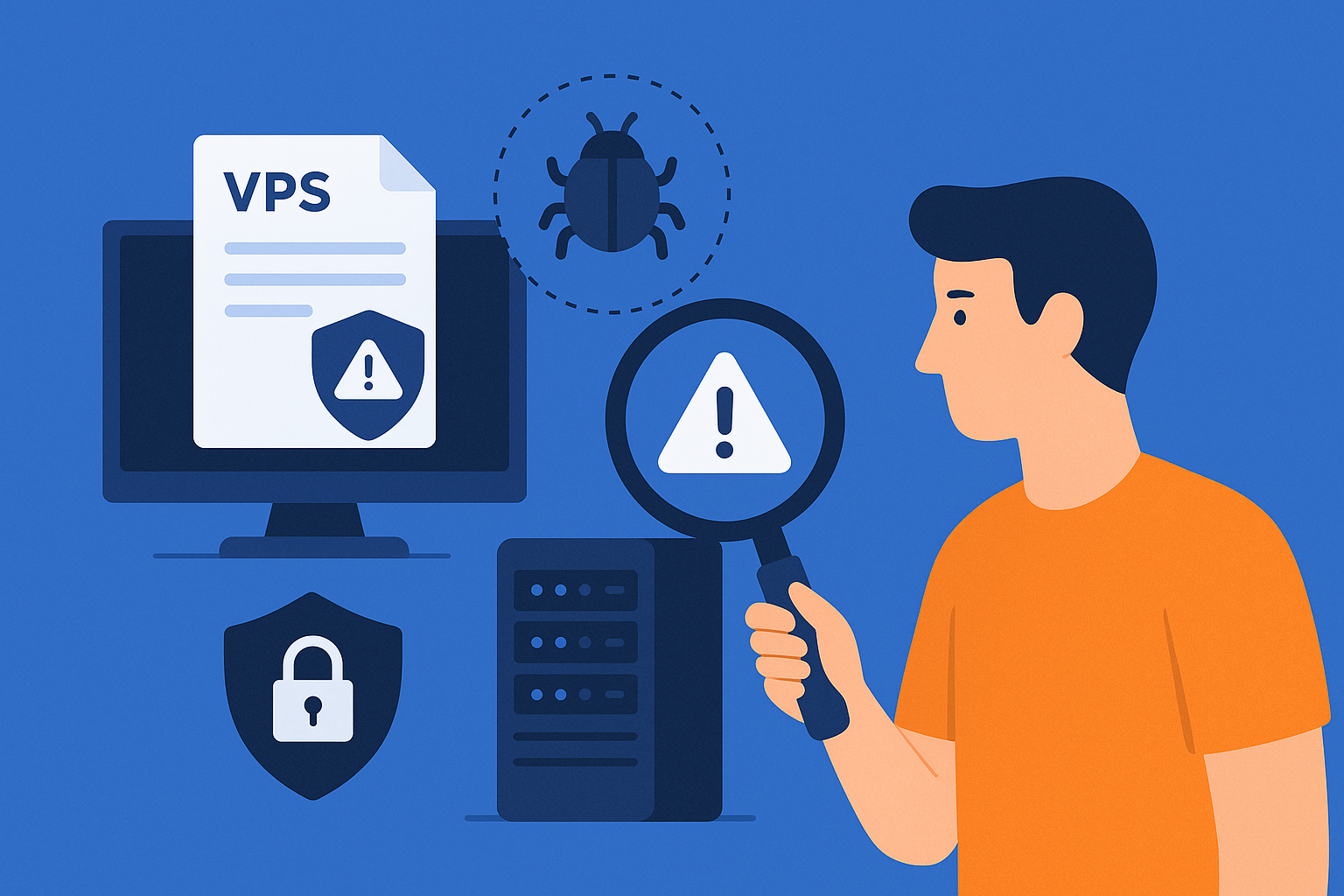
VPS Security. How to Protect Your Server When Deploying CI/CD via GitOps

Modern companies are increasingly adopting automation for software deployment processes. Combining CI/CD and the GitOps approach makes it possible to update infrastructure quickly and without manual intervention. However, the more automation you have, the higher the risks if security is not properly configured.
This is especially critical when an application or infrastructure is deployed on a VPS connected to a public network. In such a scenario, a supply chain attack can lead to full server compromise and leakage of confidential data.

How to Check Your VPS for Vulnerabilities – A Complete Server Security Guide

The security of your Virtual Private Server (VPS) is not just a technical task but the foundation of business stability, client trust, and protection of confidential data. Vulnerabilities in your system can lead to file loss, personal data leaks, virus infections, or complete resource unavailability.

In this article, we have compiled a detailed checklist on how to check your VPS for vulnerabilities and protect it at both basic and advanced levels — even if you are not a cybersecurity expert.

-->