
Tag: dedicated servers

What Is an API and Why It Exists in Almost Every Service

Illustration of a waiter with the inscription API taking an order from a user at a table and passing it to the kitchen with the inscription Server.
API as a universal way of interaction between different parts of a service

API stands for Application Programming Interface, which is a software interface for interaction between different systems. Simply put, an API is a set of clear rules that allow one program to communicate with another, send a request, and receive a response. End users usually do not see APIs and rarely think about their existence, yet they use them constantly. Logging in with Google, paying by card on a website, displaying the weather, exchange rates, or delivery status — all of this works thanks to APIs.

Top Myths About VPS and Dedicated Servers

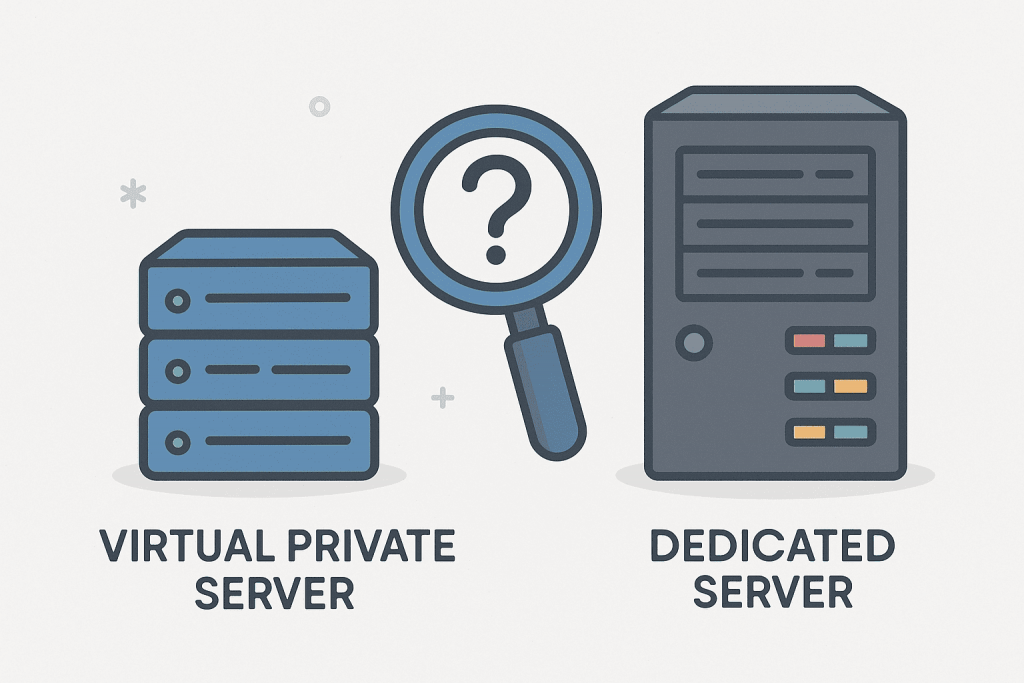
Illustration with two types of servers: on the left is a stack of three blue blocks, symbolizing virtual servers, on the right is a larger rectangular physical server case; between them is a magnifying glass with a question mark.
Top myths that most often arise around virtual and dedicated servers

Today’s hosting industry offers a wide range of solutions for businesses and personal projects — from regular shared hosting to virtual private servers (VPS) and dedicated servers. However, there are many myths and stereotypes surrounding these services that prevent users from choosing the best option. In this article, we’ll look at the most common misconceptions about VPS and dedicated servers, explain where they are used, and help you better understand the benefits of these solutions.

Colocation in Ukraine. Why Businesses Choose Data Centers

In today’s world, IT infrastructure stability and security are key factors for business success. Colocation (placing a server in a data center) is becoming an increasingly popular option for companies seeking to maximize efficiency, reduce risks, and optimize costs. This article explores why colocation in Ukraine is a smart business solution.

-->