Tag: Digitalization

Why Constant Work at a Monitor Causes Chronic Fatigue

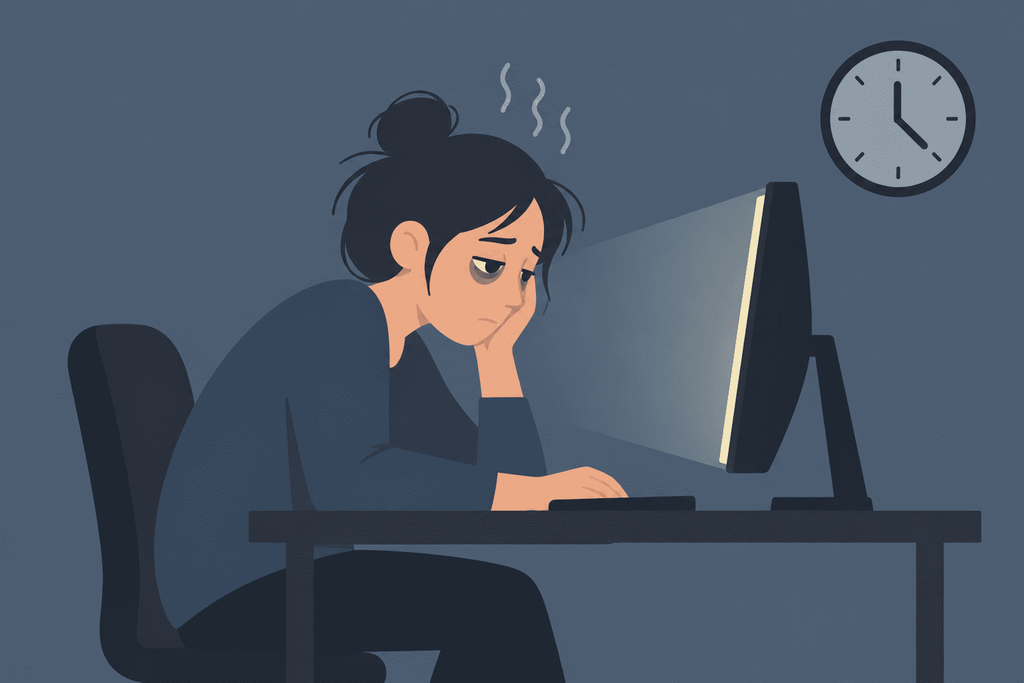
A tired person sits at a computer in a dark room, illuminated only by the light of the monitor; a clock is shown nearby.
Prolonged work in front of a screen exhausts not only the eyes but the entire body

That familiar feeling when the workday seems to be over, but your head feels heavy, your eyes burn, and even after a normal night’s sleep there is still no energy? Physically, it seems like you have not really been working – the whole day was spent in a comfortable chair in front of a monitor, yet by evening you feel completely drained. Most people put it down to overwork or a lack of vitamins, but the real reason lies in how our body reacts to sitting in front of a screen every day.
How the Growth of Data Transfer Speeds Is Changing Modern Devices

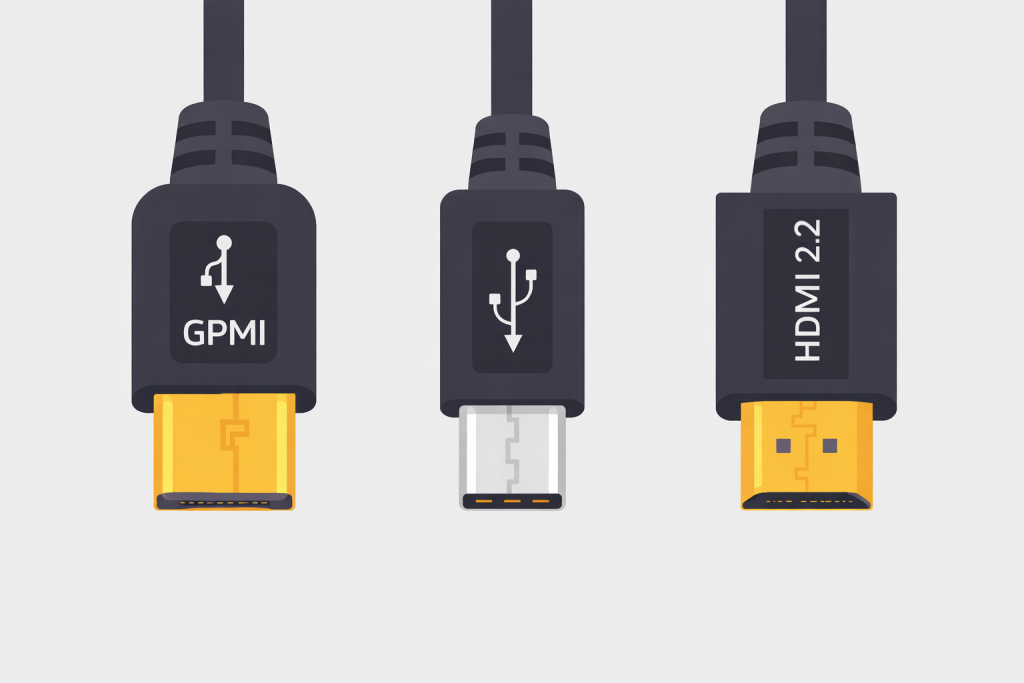
Three cables with different connectors placed side by side: on the left is a connector with the inscription GPMI, in the center is USB-C, on the right is HDMI 2.2, which visually compares modern connection standards.
Changing interfaces as a reflection of the growing demands for speed and versatility of connections

Just a few decades ago, data transfer was a secondary characteristic of technology. Users were more concerned with whether a device could connect to a computer at all and whether files could be copied without errors. Today, the situation is completely different. Data transfer speed has become one of the key factors defining the capabilities of smartphones, laptops, televisions, and even everyday accessories. It affects how fast a device charges, what video quality it can play, and how comfortable it is to work with large volumes of information.

How Digital Overload Changes Attention

A person sits at a laptop with a tired expression on his face, surrounded by notifications, messages and icons symbolizing information overload.
The constant stream of digital notifications gradually drains attention and concentration

Just a few decades ago, the main sources of information were books, newspapers, and television. Today, a person is constantly immersed in a digital stream: messages in messengers, social media feeds, work chats, push notifications, news, videos, and advertising accompany us almost continuously. This state is called digital overload — a situation in which the volume of information exceeds the brain’s ability to process it calmly. It is important to understand that this is not about “unnecessary” information, but about its constant availability and rapid смена, which leaves no time for reflection.

-->