
Tag: phishing

How fraudulent websites use SSL to deceive users

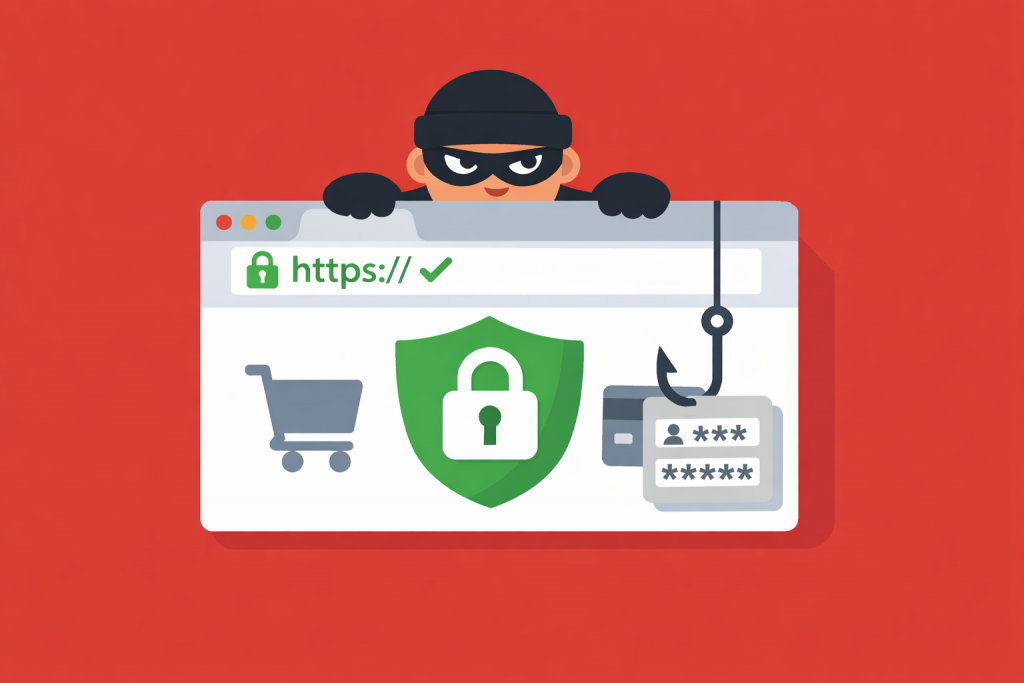
Phishing site with HTTPS mark, criminal above the page and form for entering bank card and password data.
The presence of HTTPS does not guarantee the integrity of the site

The padlock icon in the browser’s address bar has long been seen as the main marker of safety. Users got used to a simple rule: if there is HTTPS – there is trust. However, today this symbol has become a mandatory standard even for phishing pages, and the presence of an SSL certificate no longer guarantees that you are on a legitimate resource.
How to Recognize Phishing Websites in 2025

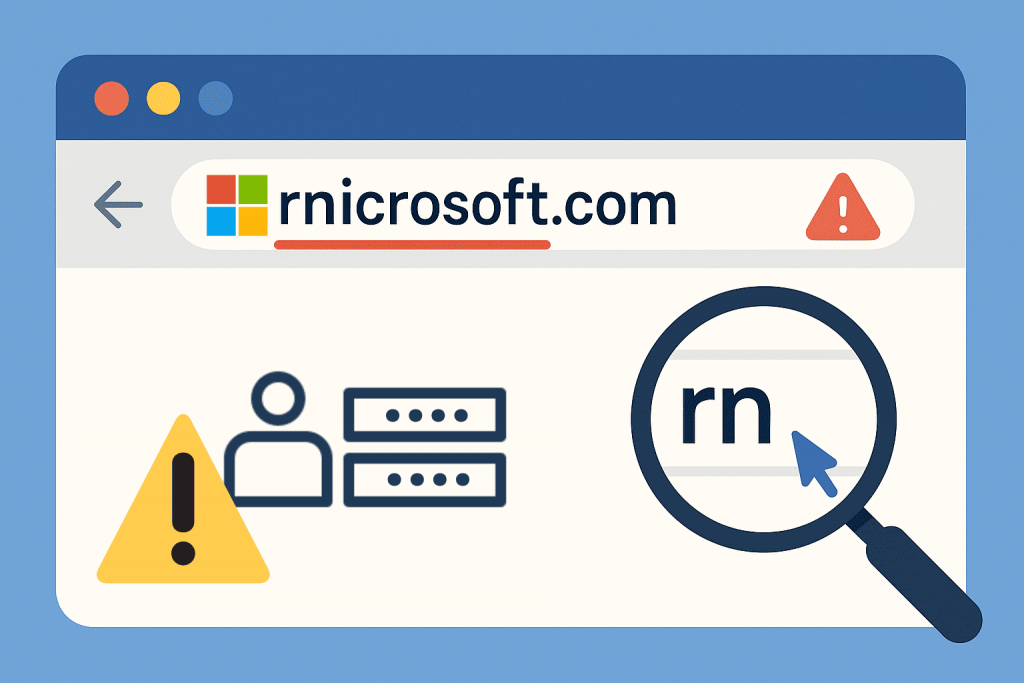
Image of a fake website address in a browser with warning icons and a magnifying glass highlighting a dangerous detail in the domain.
Phishing sites pose a threat to user security

The internet is changing rapidly, and with it, the sophistication of scammers is also growing. By 2025, phishing is no longer just primitive emails with mistakes — it has become a whole “industry” with its own support services and even phishing-as-a-service. Fake websites use deep learning to mimic the style of real websites and employee communication, while millions of phishing kits are available on the black market. For users, it is crucial to know how to tell a fake from the original.

-->