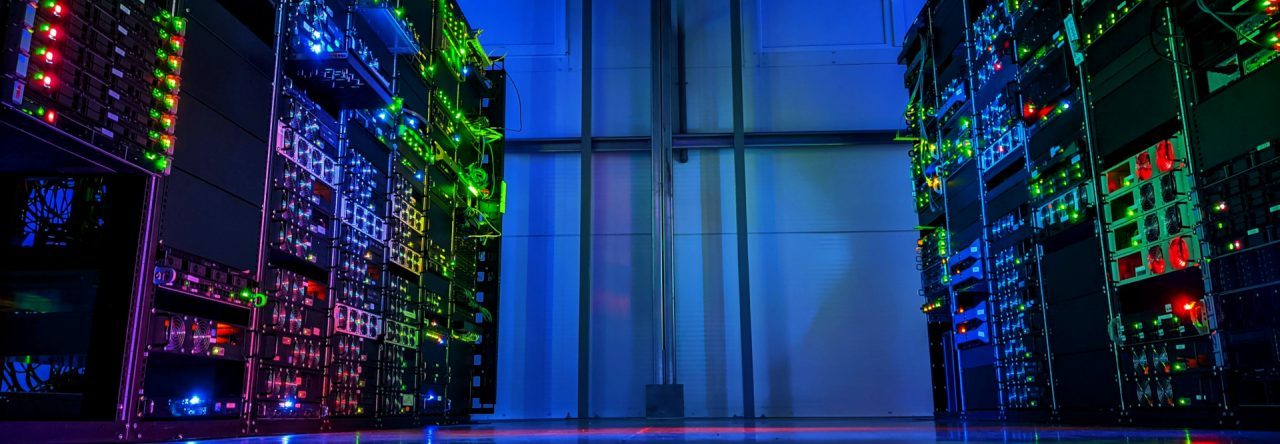
Modern data centers have become the foundation of the digital economy: they power cloud services, online platforms, artificial intelligence, and thousands of business processes. But with this growth comes another challenge — energy consumption. Servers generate large amounts of heat that must be constantly removed to prevent overheating. Usually, this heat is simply wasted, while additional megawatts of electricity are consumed to cool the equipment. However, new approaches to data center modernization show that this “waste heat” can become a valuable resource for cities.
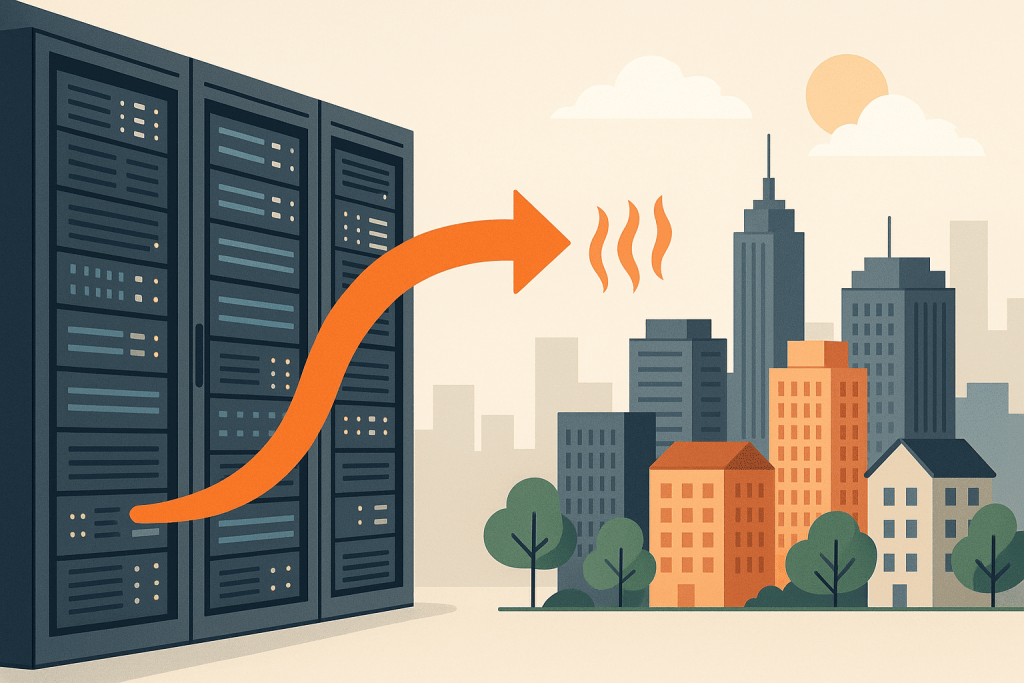
One of the most striking examples is the heating system in Helsinki. The local energy company, together with global technology corporations, has built infrastructure that transforms server heat into an energy source for residential buildings, businesses, and even traditional Finnish saunas. The principle is simple: servers located underground heat water, which then flows into special thermal units. There, the water is heated further and distributed throughout the city via a centralized heating network. When it cools down, it returns to the data centers and is reused for cooling. Thus, the cycle is closed, and the city receives stable and more affordable energy resources.
Why Data Center Heat Is a New Resource for Cities
Servers generate heat continuously, regardless of season or weather. Traditional data centers use air conditioning systems or specialized cooling loops that remove this heat but do not reuse it. Essentially, cities lose a large amount of potential energy that has already been paid for. In Helsinki’s case, this heat is turned into a useful product for the city.
Using excess heat from data centers reduces the load on the energy infrastructure. Centralized heating systems, which typically run on gas or other fuels, receive an additional source of heated water, allowing them to reduce the use of fossil fuels. This helps cities lower CO₂ emissions, optimize costs, and make the system more stable. Such an energy model is especially important as artificial intelligence gains popularity, requiring more computing power and increasing the load on data centers.
Technologies That Enable Server Heat Recovery
To reuse server heat, data centers must be equipped with modernized cooling systems. One such technology is liquid cooling. Unlike air cooling, where cold air circulates between racks, liquid cooling uses special loops filled with water or other coolants. These systems absorb heat more efficiently and allow it to be transferred into the city’s heating network.
Another important element is heat pumps — equipment that makes server heat hot enough to be used in heating systems. Essentially, heat pumps “amplify” the natural heat produced by servers and convert it into a resource for the city. The energy is then supplied to the centralized system, where it can heat apartments, offices, kindergartens, and other facilities.
Economic Benefits for the City and Businesses
Modernizing data centers benefits not only energy companies but also city budgets, businesses, and residents. For energy operators, it provides a stable heat source. For the city, it reduces heating and energy costs. For residents, it can lead to lower utility bills and increased energy efficiency. Such projects also help build the image of an environmentally responsible city, attracting investments and innovative companies.
Global corporations such as Microsoft and Equinix also benefit. They reduce their own data center cooling costs and demonstrate that they can operate more sustainably without increasing their energy footprint. In light of criticism regarding the resource demands of the AI industry, this is extremely important.
What the Future of Urban Data Centers Might Look Like
Helsinki’s experience shows that data centers can become not only consumers but also producers of useful energy. As technology advances, such systems will emerge in other cities across Europe and the world. This will help create a more balanced interaction between digital infrastructure and urban energy networks.
In the future, data center heat cycles may become part of integrated urban systems, where server heat is used alongside solar and geothermal energy. Such cities will be less dependent on traditional energy sources and will be able to manage their expenses more effectively.
Why This Matters for the Ukrainian Market and Businesses
Ukraine is actively advancing its digitalization efforts, and the demand for reliable data centers and cloud services is constantly growing. At the same time, electricity costs are rising, making energy optimization a necessity. Modernizing data centers, implementing heat-recovery systems, and adopting advanced cooling technologies offer a way to make infrastructure more resilient, cost-effective, and environmentally friendly.
For businesses using hosting, VPS, or dedicated servers, this means a more stable service and predictable expenses. For data center owners, it represents a competitive advantage in a market where efficiency is becoming a key driver of progress.
Leave a Reply
You must be logged in to post a comment.