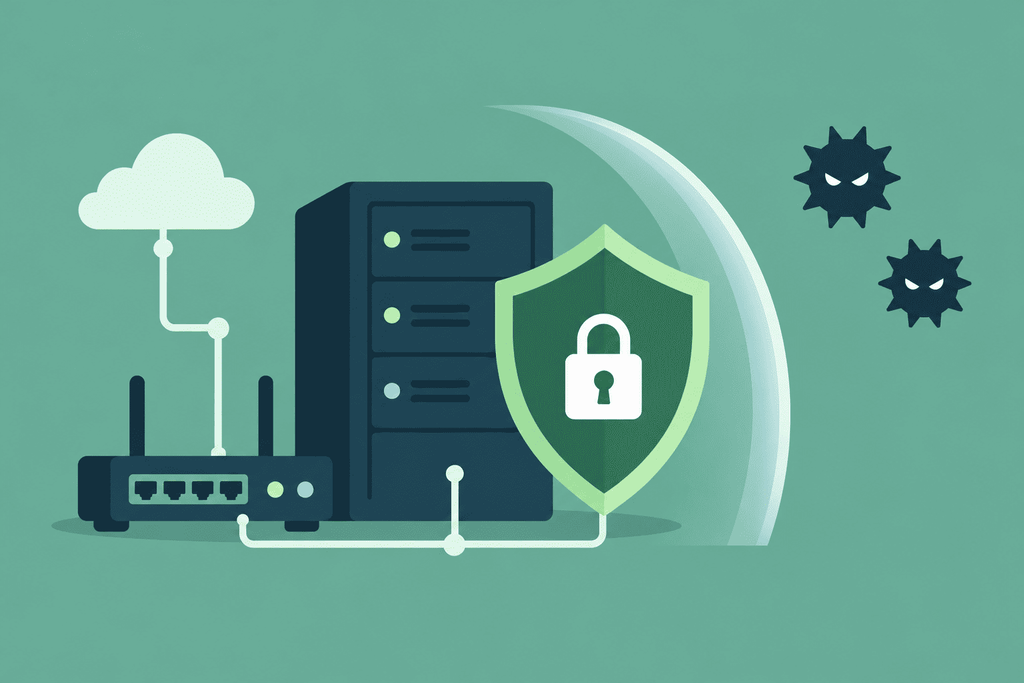
The server is running fine. The cameras are streaming video, nobody has complained about the network, and the equipment hasn’t needed much attention lately. Why change anything?
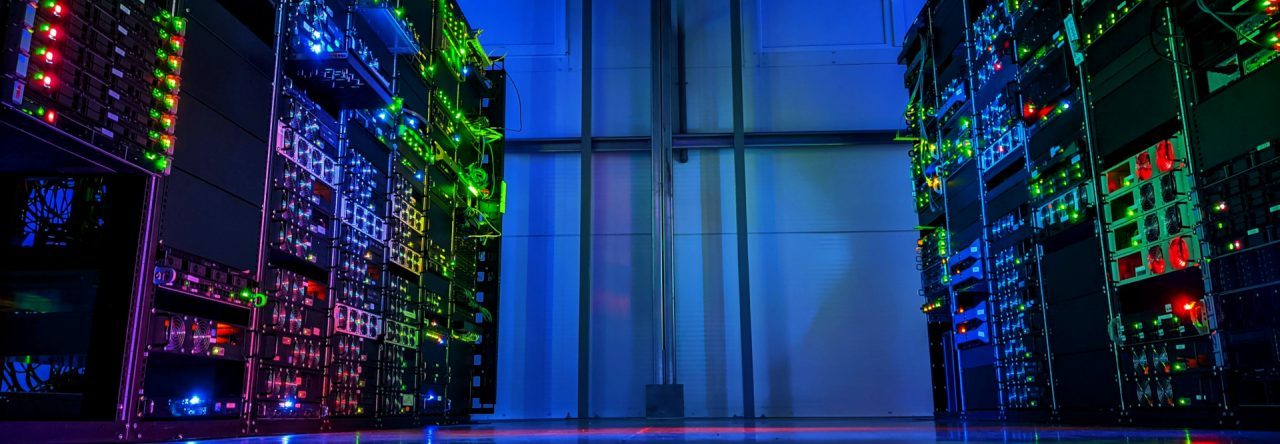
The server is running fine. The cameras are streaming video, nobody has complained about the network, and the equipment hasn’t needed much attention lately. Why change anything?

When a website opens instantly and a banking app doesn’t “freeze” during a transaction, users tend to take it for granted. Yet behind every request there is a rack in a data center, filled with servers, switches, and storage systems. What happens inside these sealed rooms – from chip shortages to shifts in logistics chains – inevitably rolls down to the end user. The only question is how quickly infrastructure costs for providers turn into subscription prices or affect the speed of a service.
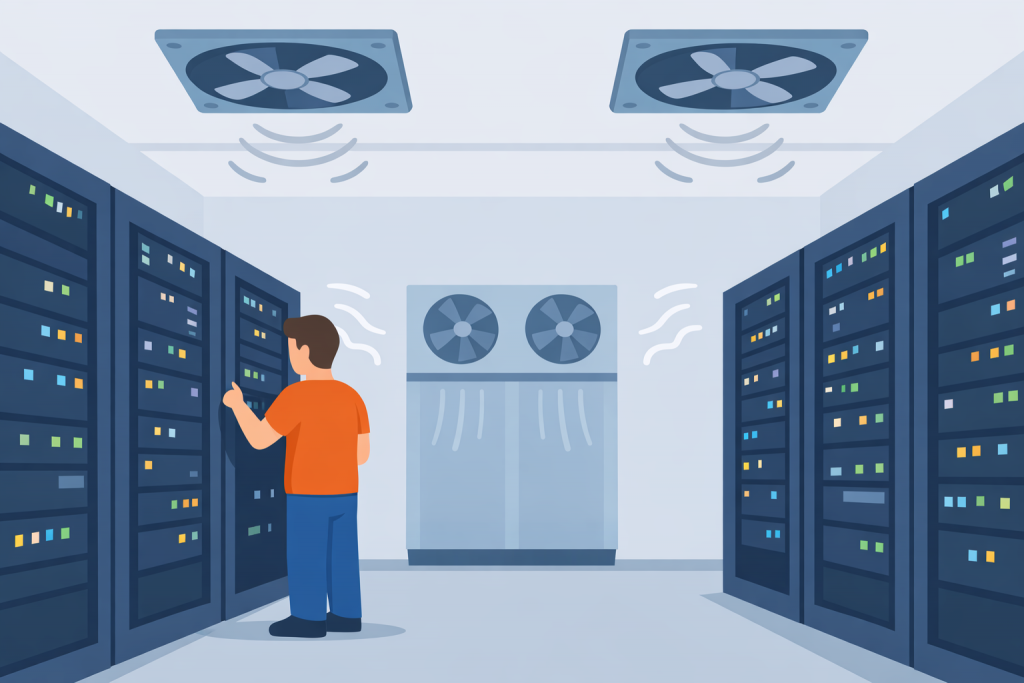
For most people, a data center is associated with something abstract: “servers are somewhere there, and they just work.” But those who have entered a real data center at least once almost always notice the same thing — a constant, steady, and fairly loud noise. It does not resemble the sound of an office air conditioner or a household fan. It is a background hum that does not disappear day or night and has very practical reasons.
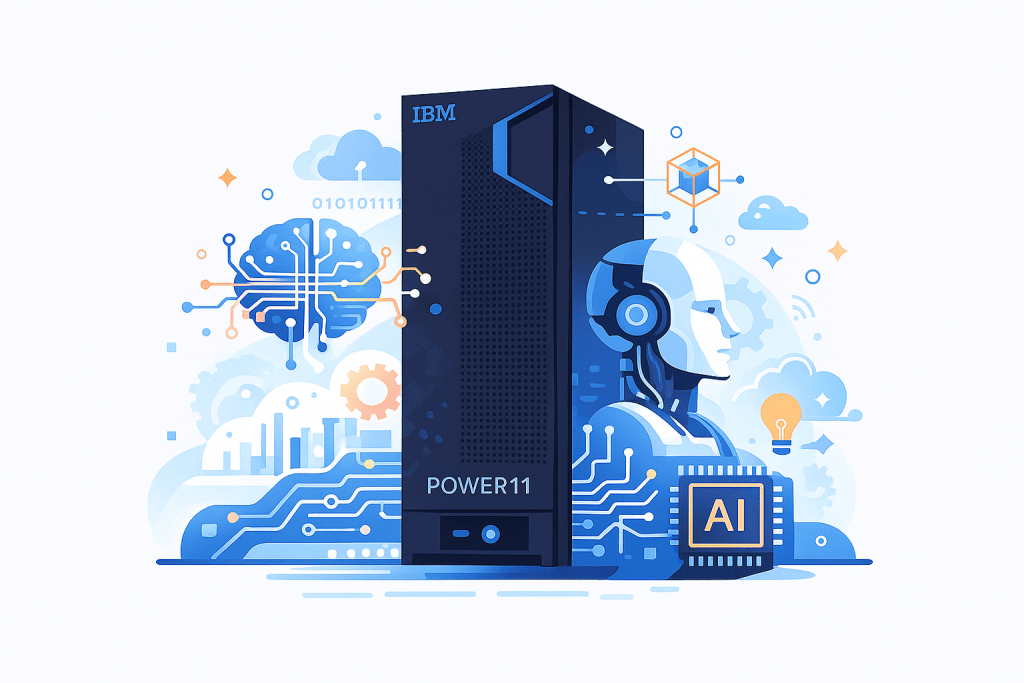
Artificial intelligence has gradually ceased to be an experimental technology and has become part of everyday business practice. Today, AI is used for big data analytics, process automation, forecasting, and language and image processing. All of this creates new requirements for server infrastructure. If previously the main focus was on stability and data storage, now performance, scalability, and the ability to handle constantly growing workloads play a key role. It is in this context that IBM introduced Power11 — a new generation of servers designed to operate in the conditions of the AI reality.
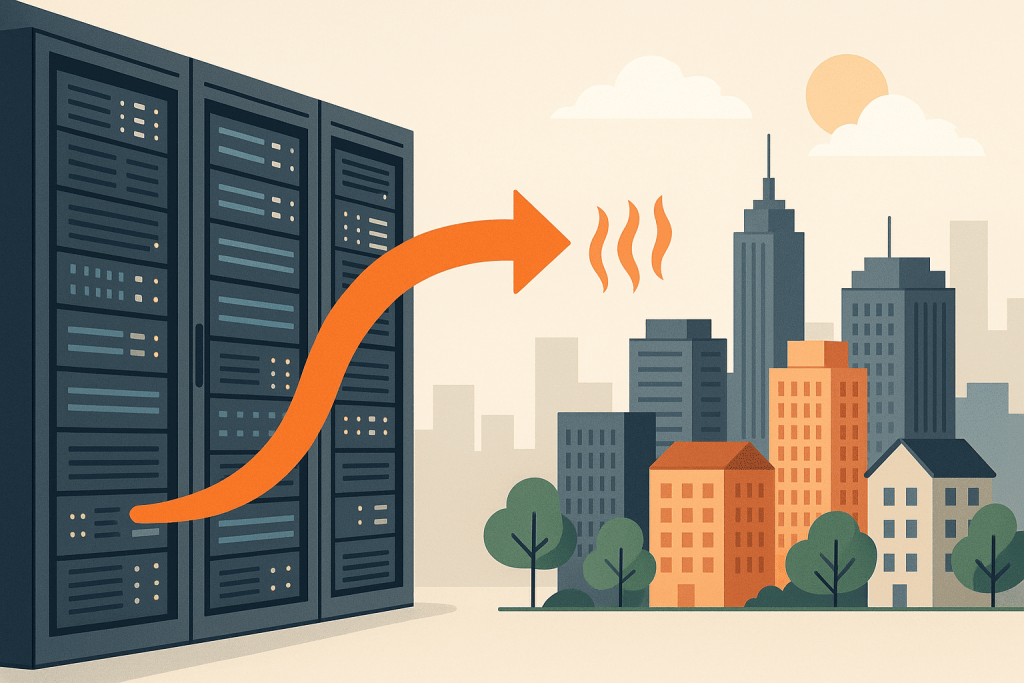
Modern data centers have become the foundation of the digital economy: they power cloud services, online platforms, artificial intelligence, and thousands of business processes. But with this growth comes another challenge — energy consumption. Servers generate large amounts of heat that must be constantly removed to prevent overheating. Usually, this heat is simply wasted, while additional megawatts of electricity are consumed to cool the equipment. However, new approaches to data center modernization show that this “waste heat” can become a valuable resource for cities.
It is almost impossible to imagine the modern internet without Google. Search, Maps, Gmail, YouTube, Android, advertising, DNS servers, cloud infrastructure — all of this forms a massive ecosystem that operates quietly yet permeates almost every digital process. That is why the idea that all Google servers could simultaneously go offline even for one minute seems unrealistic. However, such a hypothetical scenario helps us better understand how the internet works and how significant the influence of a single tech corporation truly is. So what would happen during these sixty seconds?
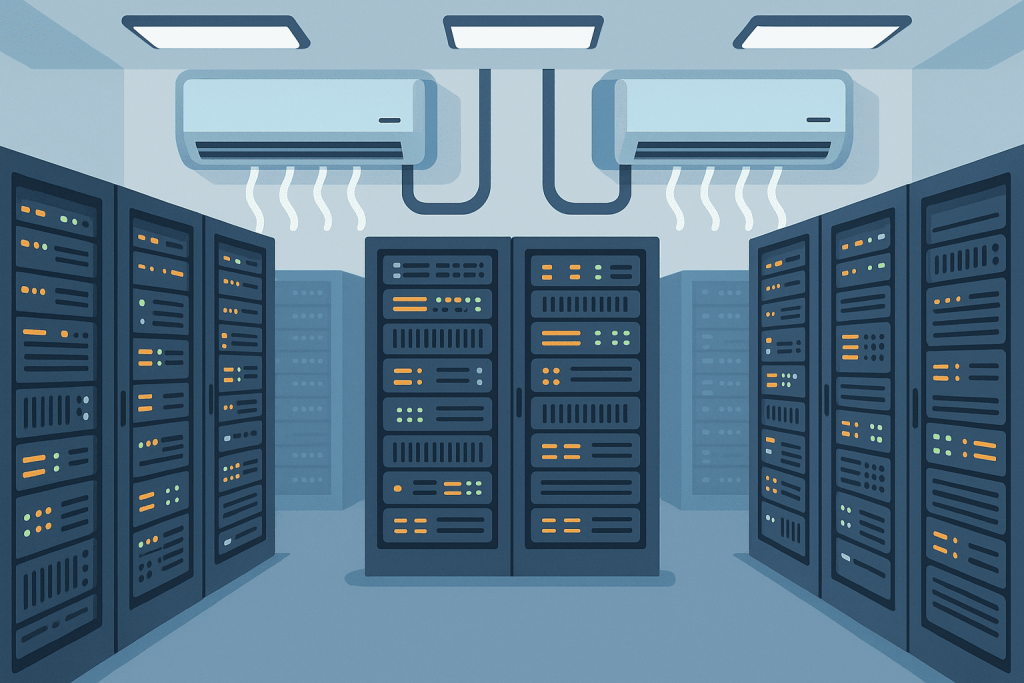
In today’s world, where digital technologies have become the foundation of nearly every process — from financial transactions to artificial intelligence — data centers have evolved into the heart of global infrastructure. Their stable operation directly depends on cooling efficiency. Every server, every processor in a rack generates heat, and if that heat isn’t dissipated in time, the system can lose performance or even fail. That’s why modern data centers invest heavily in intelligent cooling systems that not only reduce temperature but also optimize energy consumption and ensure stability under any conditions.
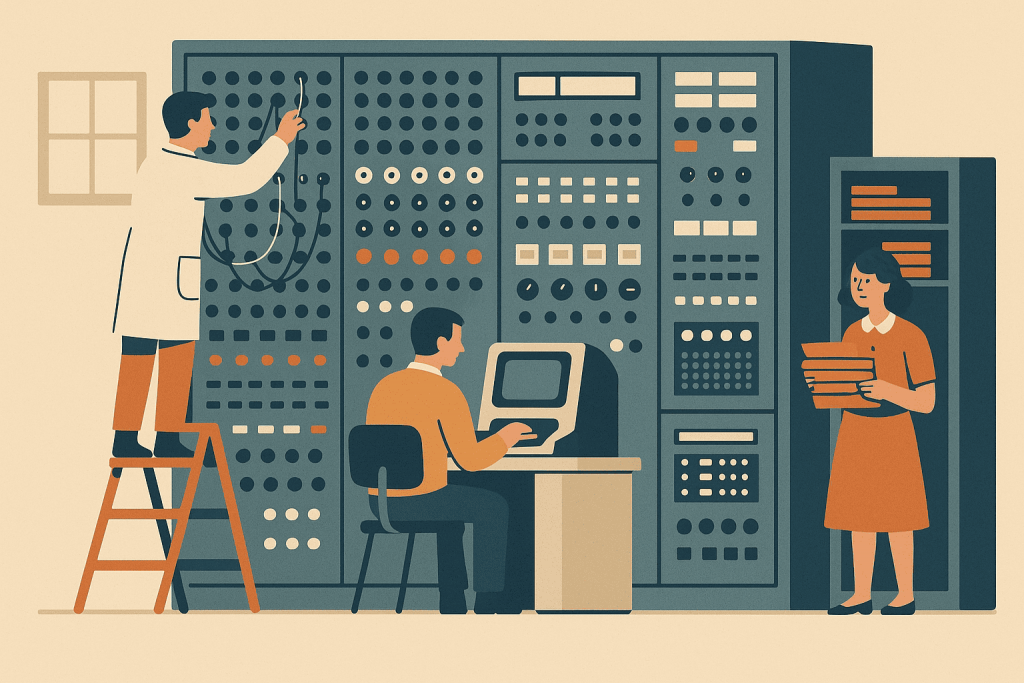
In the history of technology, the creation of data centers was a revolutionary step that changed the approach to data storage and processing on a global level. The first computer networks had significant limitations, which over time became obvious. Initially, companies used individual servers that required substantial resources to maintain, and with the development of networks and the growing need for data storage, the necessity arose to create large, specialized centers for data processing.