Tag: dedicated server

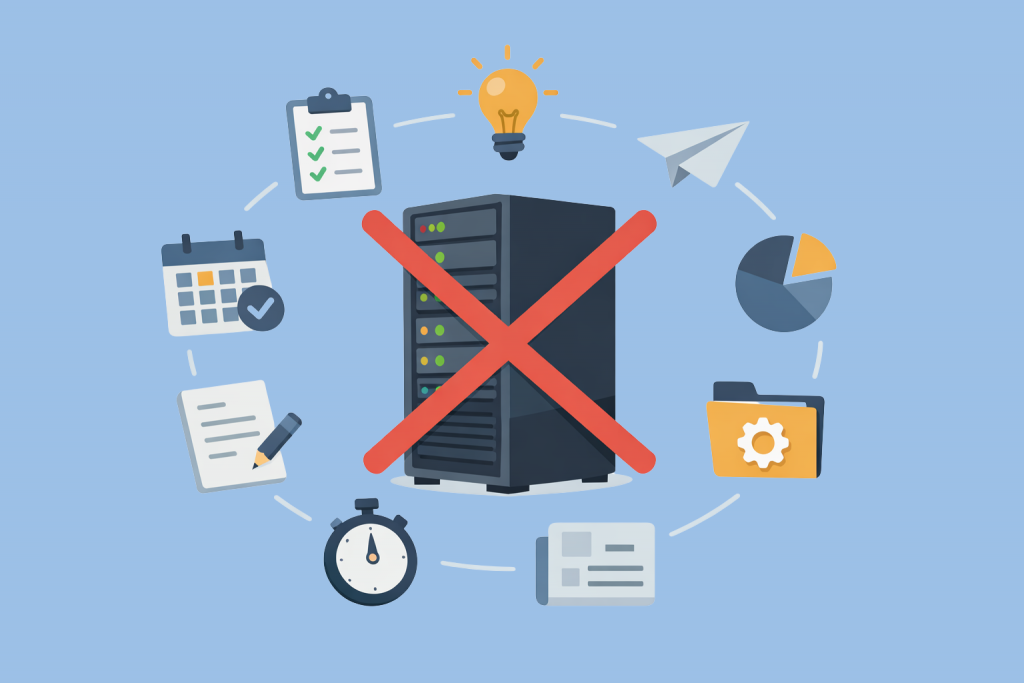
For Which Tasks a Dedicated Server Is an Excessive Solution

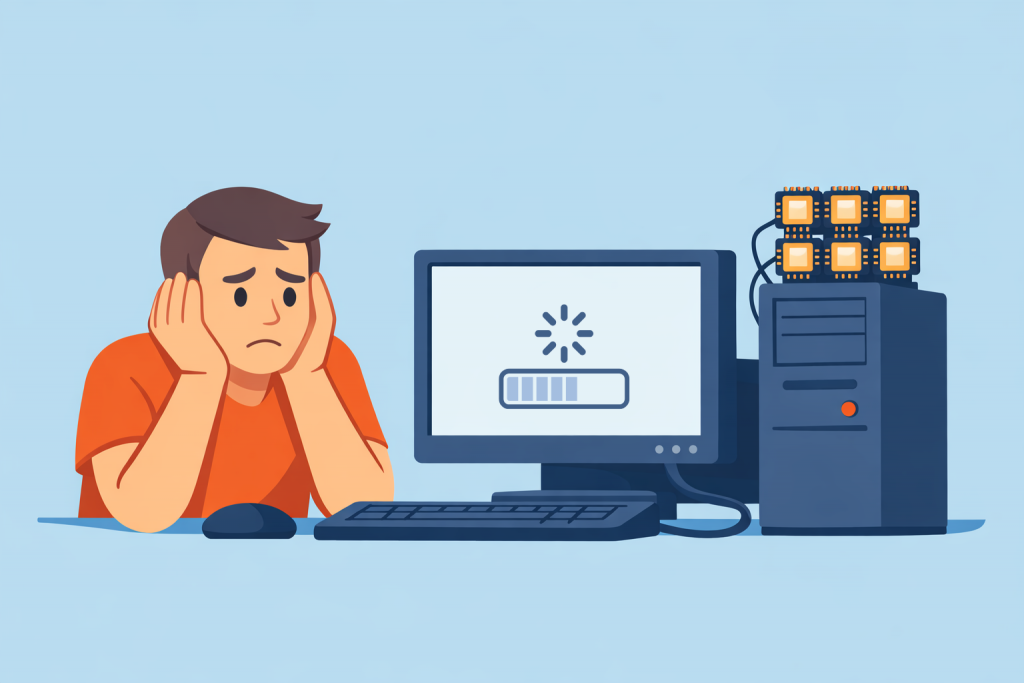
A stationary server next to a laptop on a table, a simple game running on the laptop screen, a cup and a houseplant nearby.
Comparing powerful server hardware with simple tasks

A dedicated server is often perceived as a universal solution for any online project. It is associated with maximum reliability, full control, and performance headroom “for growth.” However, in practice there are many situations where such infrastructure is excessive. In these cases, it does not provide real advantages but instead creates additional costs, complicates administration, and can even slow down project development.

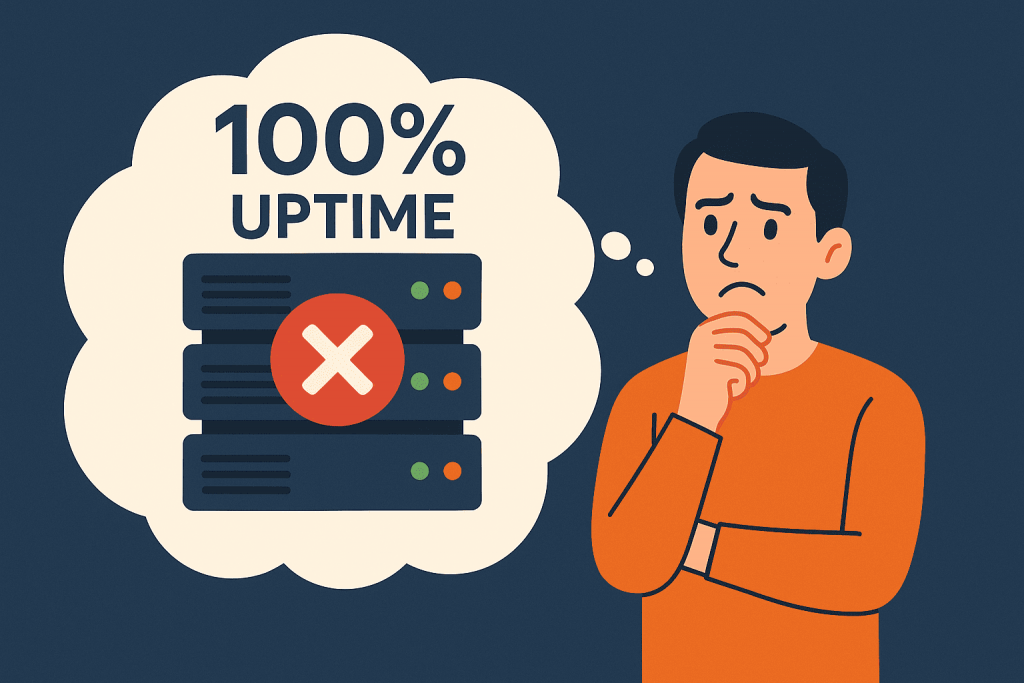
Is “Fail-Proof” Hosting Possible and Why 100% Uptime Is a Myth

A worried user thinks about 100% uptime and possible server failure.
100% uptime is unattainable even for the most stable servers

In today’s digital environment, every business wants to be sure that its website or application is always available. Users do not tolerate delays, and companies understand that even a few minutes of downtime can lead to financial losses, reduced trust, or indexing issues in search engines. That is why VPS and dedicated server services often highlight uptime — the percentage of time the infrastructure operates without interruption. However, in real engineering, an absolute 100% uptime is unattainable. Even if the servers are expensive, the data center is certified, and the network is fully redundant, physical and organizational limitations still exist. To understand why “fail-proof” hosting is more of a marketing term, it is important to examine how VPS and dedicated servers actually work.

How a Hypervisor Divides a Physical Server into VPS

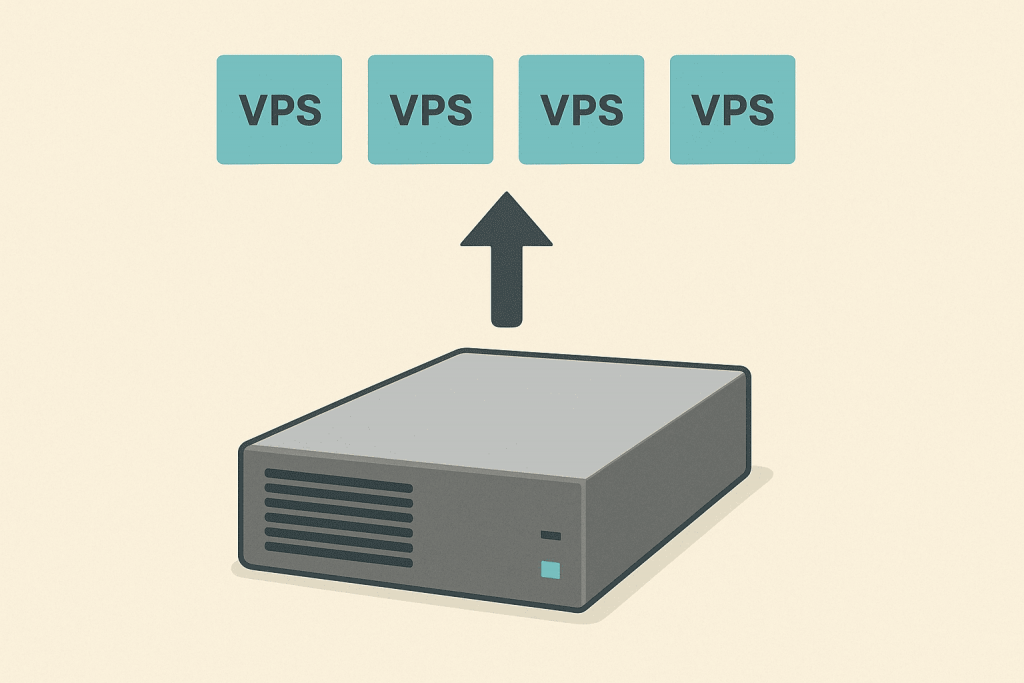
The physical server is divided into several independent VPSs.
Partitioning hardware resources into separate virtual environments

Not so long ago, to launch a website or an online service, it was necessary to rent or purchase a whole physical server. This is expensive, difficult to administer, and comes with excessive capacity that often remains unused. The situation changed with the appearance of virtualization — a technology that allows creating several independent virtual servers on a single physical server. Each of them operates as if it has its own processor, memory, disk space, and operating system. The key element of this process is the hypervisor. It acts as a “conductor” that controls the distribution of resources and ensures the stable operation of each VPS.

From Cloud to Dedicated Server: What It Means for Your Business

An entrepreneur is considering switching from cloud storage to his own dedicated server, with growth and finance icons nearby.
Moving to a dedicated server gives businesses control, stability, and resources to scale

In today’s IT world, more and more companies are asking themselves: should we stay in the cloud or move to a dedicated server? At first glance, cloud infrastructure seems like the perfect solution — it’s flexible, scalable, requires no capital investment, and you pay only for what you use. However, as a business grows, workloads increase, and the need for security, stability, and control rises, there comes a point when “owning the hardware” starts to make sense. Moving from the cloud to a dedicated server is not just a technical change but a strategic decision that can reshape a company’s efficiency and economics.

10 Tips for Choosing the Right Server Configuration for a Startup

A system administrator is configuring a server at a laptop, with a cloud, servers, and a checklist of parameters shown nearby.
Optimal server configuration is the foundation of a successful startup

Launching a startup is always a mix of ideas, speed, and technology. At the early stage, it’s not enough to build a product — you also need to ensure its stability. The server is the foundation of any online project, and its configuration determines whether your website can handle the first wave of users, how fast pages will load, and how easily the system can scale in the future. A wrong choice can cost time, money, and customer trust — so it’s worth approaching this decision carefully.

How to Set Up Server Security Before Launching a Website

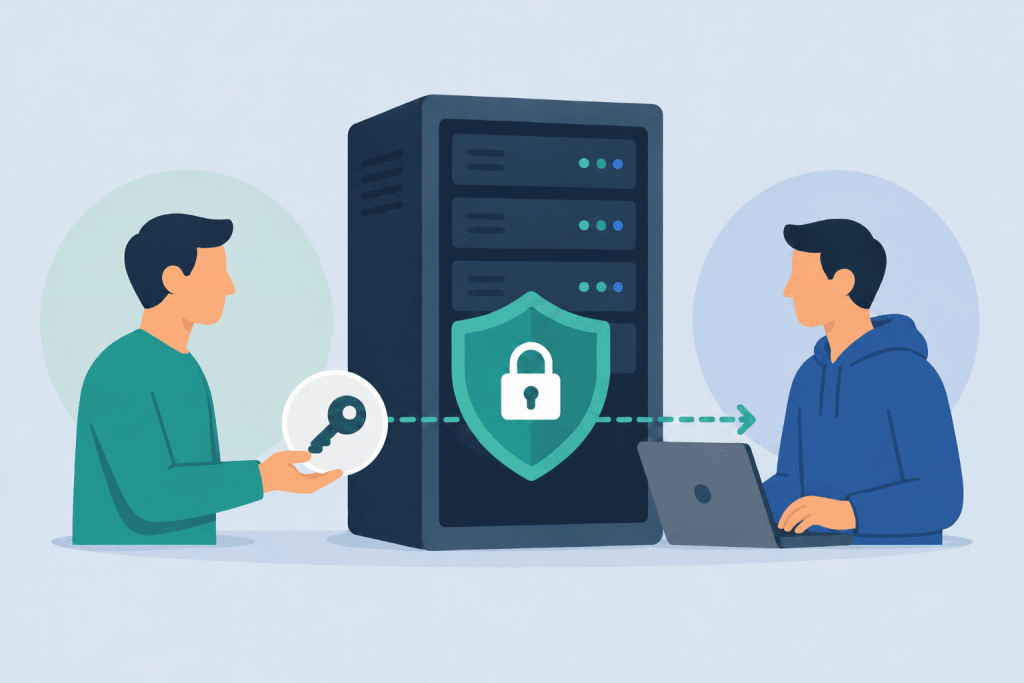
A laptop, a server, and a shield with a lock are elements that emphasize data protection before launching a site.
Server security before launching a site is the basis for stable operation and user trust

When your website is ready to go live, the most important step is ensuring that the server hosting it is properly secured. Many project owners focus on design, speed, or content but forget the essential foundation — protection against attacks and data leaks. On the internet, every server is a potential target for hackers, so security cannot be postponed. Proper preparation before launch helps avoid most risks and ensures stable website operation from day one.

How to Set Up Server Overload Alerts

The administrator in front of the computer receives a warning about server overload, with alarm icons and servers in the background.
Server overload notification system

A server is the heart of any online project. The stability of your website, store, or application depends on how reliably it runs. However, even the most powerful machines can experience overload when resources run out and the system’s capacity is exceeded. At such moments, it’s crucial that you learn about the issue not from customers but from your monitoring system — instantly, as soon as the situation goes beyond normal limits. That’s why setting up server overload alerts is one of the key elements of effective administration.

What Is a Dedicated Server and Who Needs It?

Today, businesses increasingly depend on online services: corporate websites, e-commerce stores, SaaS platforms, and data processing systems. Reliable infrastructure has become not just an advantage but a basic condition for success. One of the most stable solutions for hosting and deploying projects remains the dedicated server.

In this article, we will explain what a dedicated server is, how it differs from VPS and shared hosting, and what tasks it is best suited for.

VPS vs Dedicated Server Comparison — What to Choose for Your Business in 2025?

In the fast-evolving world of digital technologies, choosing the right hosting solution has become one of the key decisions for any business. Whether you’re launching a startup or modernizing the IT infrastructure of a large company, the question arises: what’s better — VPS or a dedicated server? In 2025, this question has become even more relevant due to increased demands for security, performance, and scalability. In this article, we will explore the key differences between these options, their advantages, disadvantages, and recommendations for different types of businesses.

Renting or Owning a Server – What’s More Cost-Effective for Your Business?

In 2025, servers are the backbone of any online business. Your website, CRM system, databases, and web apps all rely on a stable infrastructure. And every growing business faces the same critical decision:
Should you rent a dedicated server or buy your own hardware?

In this article, we’ll break down both options, compare costs and risks, and help you make an informed choice.

-->