
We’ve gotten used to treating the network like air – it’s simply there. It’s hard to remember the moment when someone consciously notices connecting to Wi-Fi or 4G; we just open banking apps, build a route in navigation, or throw files into the “cloud.” As long as pages load in fractions of a second and videos don’t freeze, the technical side of the process stays invisible. Yet behind every click stands a massive hardware infrastructure that never sleeps.
On May 17, the calendar marks two dates that sound like professional holidays from another century: Internet Day and World Telecommunication and Information Society Day. For specialists, this date is more than a formality. It’s a reminder of how the telegraph line of 1865 evolved into backbone fiber-optic cables now lying on the bottom of oceans.
From Telegraph to Fiber
Today’s high-speed internet is, in fact, a direct descendant of copper wire. Once, the signing of the international telegraph convention finally allowed countries to “talk” to each other without couriers and weeks of waiting. The principles are still the same now, but the scale is different. All global traffic runs through fiber optics. These are thin glass threads through which data races in the form of light pulses. When you watch a high-quality stream, somewhere inside cables under the ground or beneath the ocean billions of photons are carrying that flow of information from a server to your router.
The Internet Is Not Websites, It’s Processes
The days when the network was just a collection of pages with text and images are long gone. Today it is the foundation everything stands on: from the logistics systems of large retailers to the synchronization of photos on your smartphone. Businesses no longer keep databases locked inside office safes – everything moves to remote servers.
Even a regular push notification is an entire cascade of interactions. A smartphone constantly “knocks” on servers that may be thousands of kilometers away. That’s why any serious failure in network nodes is not just about a broken website, but halted terminal payments, collapsed delivery services, and paralysis of government platforms. This entire mechanism depends on what is called infrastructure – a combination of hardware, software, and power systems that people usually remember only when something goes wrong.
How “Online” Works from the Inside
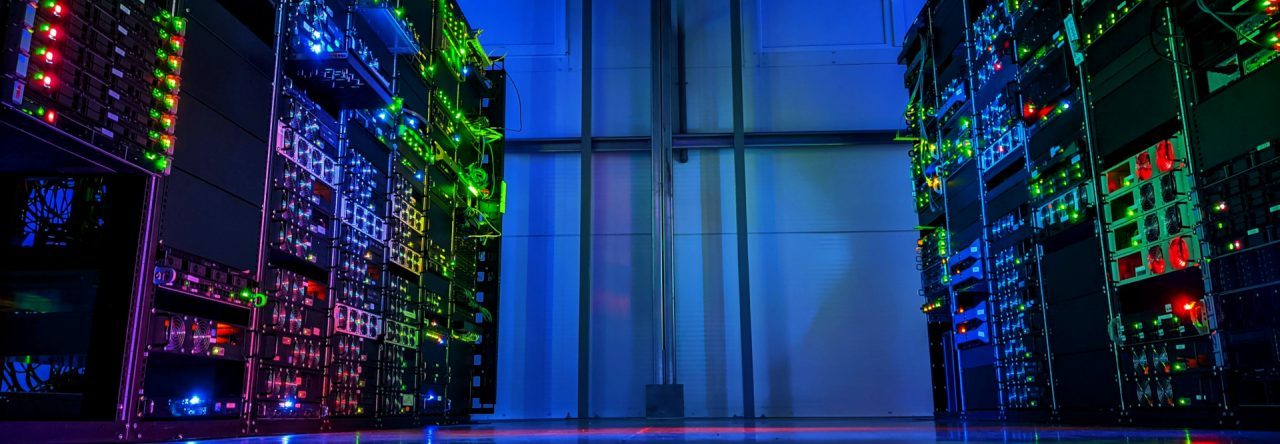
A user sees a program interface, a technician sees hardware. Every time you type an address into a browser, the request flies to a server. This is not just a powerful computer, but a machine designed to work 24/7 under enormous loads. These machines do not stand alone under desks – they live inside data centers.
A data center is a facility where everything is built around stability. If power disappears in the city, servers must continue running on diesel generators and massive UPS systems. If it is hot outside, powerful cooling systems must remove the heat produced by racks filled with equipment. There is never only one communication channel here: there are always several from different providers. This is what redundancy means – if one cable is cut during road work, traffic instantly switches to another.
The infrastructure of Server.UA is built according to exactly this principle. It is not just VPS or dedicated server rental, but a guarantee that complex network nodes, cooling systems, and filtering equipment will work together so the final service remains available regardless of circumstances.
Why We Don’t Notice It
Today, connection stability has become a critical security parameter. When digital systems are integrated this deeply into the economy, infrastructure quality becomes a matter of business survival. But the paradox is that the best work engineers and administrators can do is when nobody notices them. When everything works like clockwork, the user never even thinks about how many resources and how much human effort were spent so that a video on their phone starts instantly without delay. Behind that simplicity stands a world of complex hardware that never shuts down.