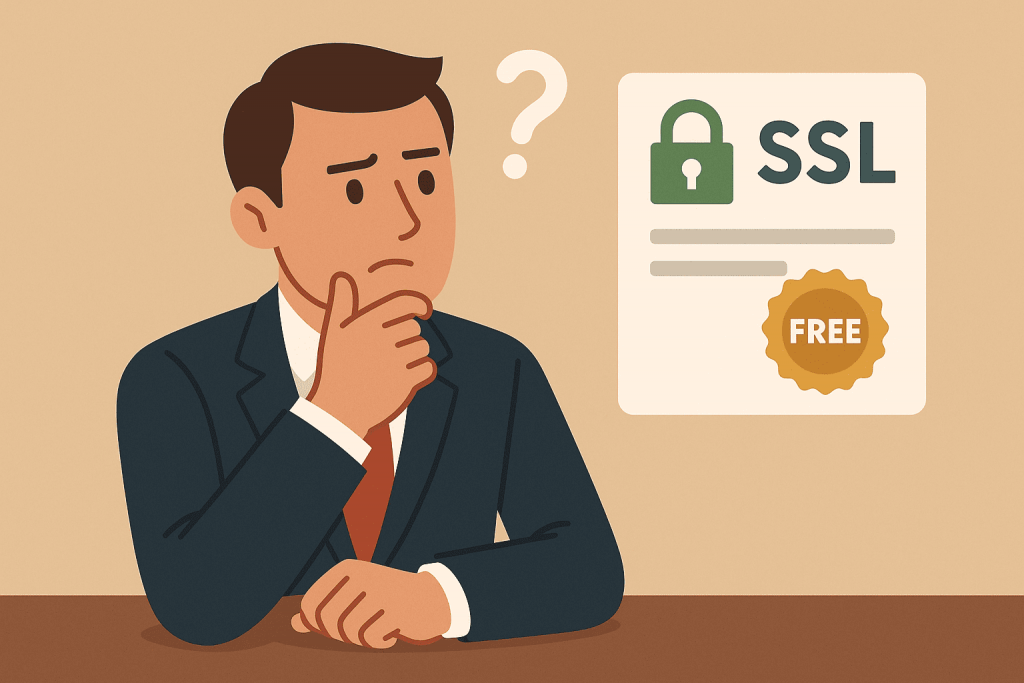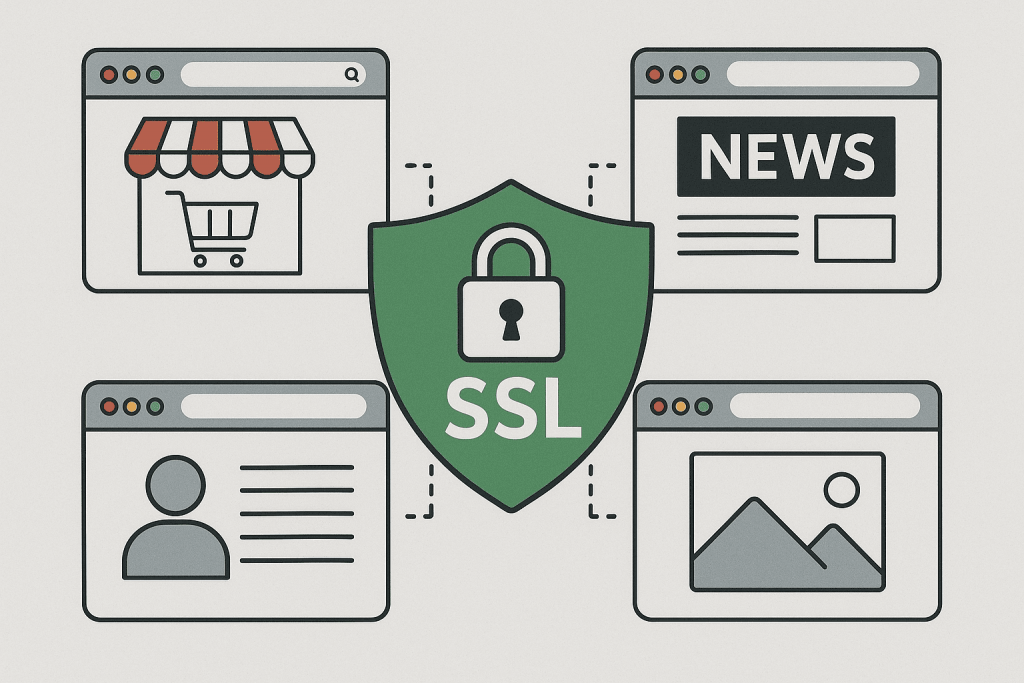
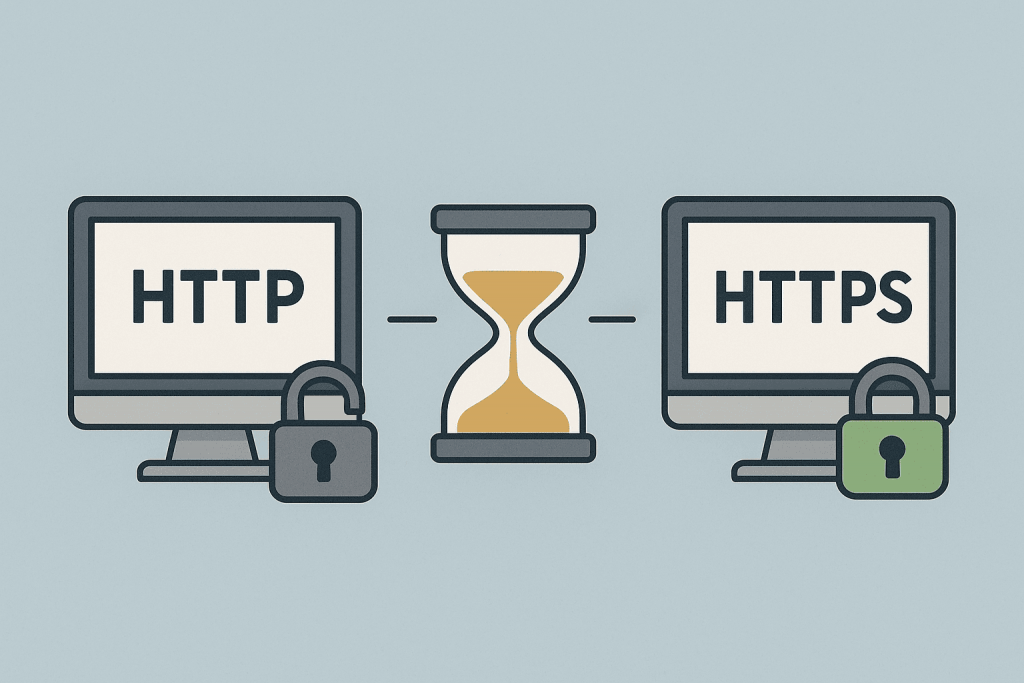
In today’s digital world, online security is a top priority for any website owner. One of the most important tools that guarantees the protection of user data and safe operation of a website is an SSL certificate. In this article, we will explain in detail what SSL is, how it works, the types of certificates, why it matters for SEO and business, how to check for SSL on a site, and where to order a reliable SSL certificate and server.
Category: Security
Today, online security is one of the key factors for users’ trust in a website. Having an SSL certificate not only protects data from interception but also positively affects a site’s ranking in search engines. Whether you are a website owner, administrator, or just want to ensure a site is secure, it’s important to know how to quickly check if SSL is installed.
Linux VPS is considered a safer alternative to Windows servers, but that doesn’t mean the risk of malware infection is zero. Even the most secure systems can be vulnerable if not monitored regularly or if unreliable software is used.
In this article, we’ll explain how to check your Linux VPS for viruses, which tools are best suited for the job, and what to do to avoid future infections. We’ll also share practical tips to help keep your server secure in the long run.
The security of your Virtual Private Server (VPS) is not just a technical task but the foundation of business stability, client trust, and protection of confidential data. Vulnerabilities in your system can lead to file loss, personal data leaks, virus infections, or complete resource unavailability.
In this article, we have compiled a detailed checklist on how to check your VPS for vulnerabilities and protect it at both basic and advanced levels — even if you are not a cybersecurity expert.