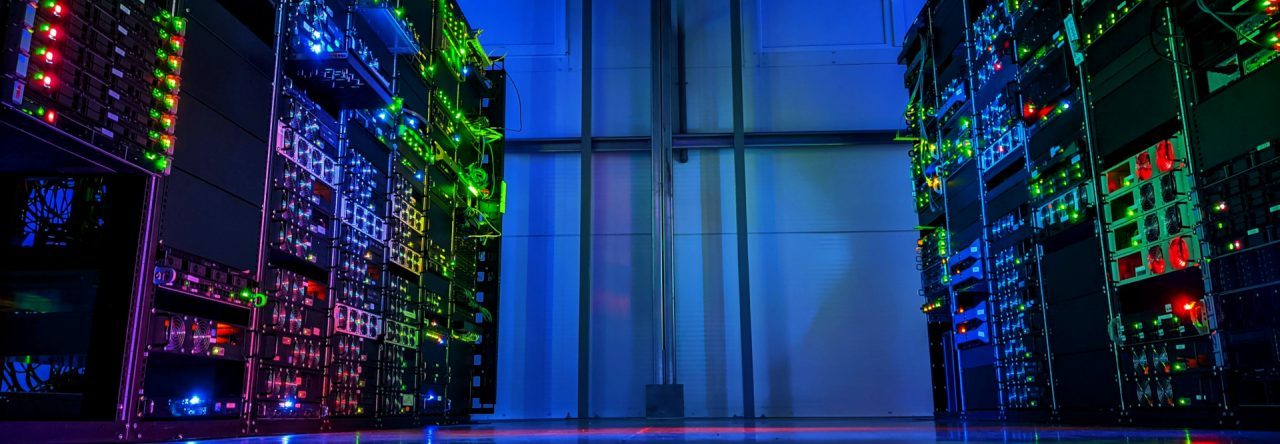

In the world of information technology, China continues to amaze with its new ambitious projects. One of the latest achievements is the launch of the Future Network Test Facility (FNTF), a distributed network of data centers stretching over 2000 kilometers. This is not just another data center — it’s a whole system that unites dozens of data processing centers, creating a so-called “giant computer.” The goal of this project is to provide massive computing power for the development of artificial intelligence, telemedicine, and the industrial internet. In this article, we will explore how this project will change the landscape of computing power and why it is significant for the technologies of the future.
What is the Future Network Test Facility?
The Future Network Test Facility (FNTF) is a new initiative by China aimed at uniting a large number of data centers into one integrated computing network. The project covers more than 2000 kilometers and is primarily focused on meeting the huge demand for computing power required by cutting-edge technologies. The system allows complex computations to be performed using resources distributed across various locations as a single powerful network.
One of the key features of FNTF is its ability to integrate multiple data centers into a single system that operates efficiently and at high speed. This allows for scaling computing power practically without limits, reducing the time required to process large volumes of data.
How Does This Giant Computer Work?
The operation of FNTF is based on a distributed computing architecture. Each connected data center acts as part of a unified computing system. Unlike traditional centralized data centers, where all resources are located in one place, FNTF uses distributed resources spread across a vast territory.
The idea is that users can access computing power from any point in this network, regardless of where the physical servers are located. This significantly enhances the reliability and speed of the system. For example, if one of the data centers fails or becomes temporarily unavailable, other centers automatically take over the load, ensuring uninterrupted operation.
Scaling Computing Power for AI and Telemedicine
One of the main tasks of this network is to support vast amounts of data and complex computations necessary for the development of artificial intelligence. The large volume of data required for training AI models demands significant computing power as well as fast and reliable access to this data. Distributed networks like FNTF provide the ability to process data at scales that were previously unattainable.
Through this project, China can significantly accelerate the development of its artificial intelligence technologies. The ability to process large amounts of data with speed and efficiency is key to creating more accurate models and applications based on AI.
Another important area where FNTF will be applied is telemedicine. The network allows for the fast transfer of large medical data, such as medical images, test results, and other important information that require high-speed processing. This helps doctors make diagnoses remotely, which is particularly important in remote areas where access to medical services is limited.
Industrial Internet and New Opportunities for Business
Another focus of the system is the industrial internet (IIoT). FNTF will provide businesses with the ability to process massive amounts of data in real-time, gathered from various devices and sensors used in industries. This will significantly improve the efficiency of manufacturing processes, reduce energy costs, and increase safety in production.
Thanks to such a powerful network, businesses will be able to integrate their systems with more efficient analytical platforms, allowing for quick responses to any changes and optimization of processes.
Prospects and Challenges for FNTF
Like any new technology, FNTF faces a number of challenges. One of the main issues is ensuring data security. With a large number of connected data centers, the risk of attacks on the system or leaks of critical data increases. To address this, new methods of data protection, including encryption, multi-factor authentication, and real-time monitoring systems, must be implemented.
Additionally, the technology requires a high level of support and maintenance, as the scale of the network demands experienced professionals who can respond quickly to any technical issues. Therefore, the development of infrastructure and skilled personnel to maintain it is a crucial element.
Conclusion
The Future Network Test Facility (FNTF) project demonstrates China’s ambition to become a leader in distributed computing power. The unification of dozens of data centers into one powerful system will significantly increase data processing speeds, improving efficiency in fields such as artificial intelligence, telemedicine, and industrial internet. However, this project also presents major challenges for China that require quick and effective solutions.
The FNTF project is not just a technological achievement, but an important step towards creating infrastructure that will form the foundation for the development of new technologies and business models in the future.
Leave a Reply
You must be logged in to post a comment.